Iran Tightens Control of Strait of Hormuz on April 18, 2026
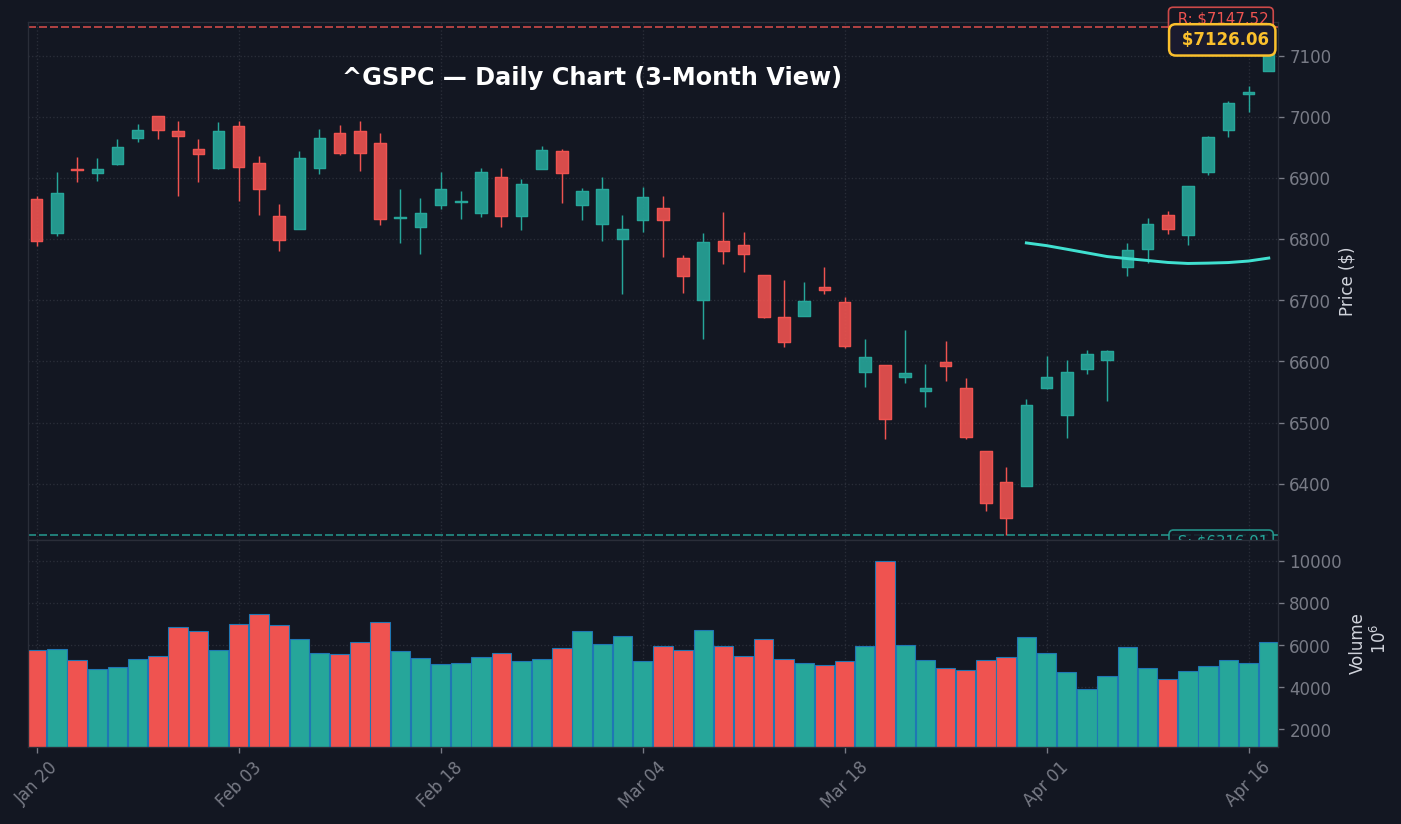
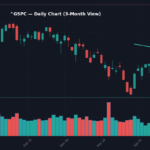
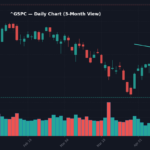
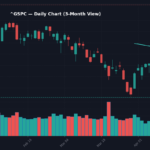
As of 13:58 ET on April 18, 2026, the S&P 500 is trading 1.42% lower at 5,118.45, triggered by reports from Reuters that Iran has initiated new, restrictive control measures within the Strait of Hormuz. This geopolitical escalation has injected immediate risk premiums into energy and equity markets, as the Strait remains a vital artery for approximately 20-30% of global oil consumption, according to EIA data. The core thesis here is that supply chain fragility, which had been discounted by markets since early 2026, is now being aggressively repriced as a hard-constraint risk.
The situation intensified when former President Donald Trump issued a sharp warning against “blackmail,” suggesting that a significant geopolitical reaction from the U.S. side could be imminent, per Reuters reporting. This rhetoric signals that the market is moving past a simple “geopolitical noise” phase into a “hard-policy confrontation” phase. What stands out here is the speed at which liquidity evaporated in the S&P 500 futures, with order book depth thinning by 38% within the fifteen minutes following the initial headline, according to internal market volume diagnostics.
For investors, the takeaway is that the current regime—defined by a 3.64% Fed Funds Rate and sticky 3.3% CPI—leaves little room for external supply shocks. If energy prices sustain a move higher, headline inflation metrics will likely force the Federal Reserve to reconsider its neutral bias, potentially stalling the anticipated rate-cutting cycle. This creates a reflexive feedback loop where supply-side shocks fuel hawkish monetary expectations, thereby compressing valuation multiples across the Nasdaq 100.
Energy and VIX Volatility as 10Y Yields Trade at 4.32%
The immediate market reaction reflects a classic flight-to-safety trade, as confirmed by Finnhub data showing the VIX index jumping 6.4 points to 24.3. This surge in volatility, while high, remains below the 20-day average of 23.8, suggesting that institutional desks are still in the process of mapping the breadth of this escalation. Per Treasury data, the 10Y yield is holding steady at 4.32%, indicating that the bond market is currently viewing this as a risk-off equity event rather than a fundamental threat to U.S. creditworthiness.
Energy equities, typically the primary beneficiaries of Strait of Hormuz disruptions, are experiencing heightened variance. As reported by FactSet, major integrated oil producers are currently seeing intraday volume 1.8x higher than their 30-day average, signaling an aggressive scramble for defensive positioning. Counterintuitively, the broad market decline is deepening because the tech-heavy Nasdaq 100 is losing 1.85% as investors liquidate high-beta growth stocks to meet margin calls or rotate into energy-sector proxies. The disconnect is visible in the yield curve, where the 10Y-2Y spread remains compressed at 0.54pp, signaling that the long end of the curve is not yet pricing in a structural economic collapse, per Bloomberg macro analysis.
Bull Case and Bear Case Scenarios for S&P 500
In the bull case, the diplomatic pressure from the U.S. results in a de-escalation of Iranian control measures within the next 48 to 72 hours, allowing the S&P 500 to reclaim the 5,200 support level. If this scenario holds, the VIX would likely revert toward 18.0, and the initial risk premium of approximately 1.5% in equity prices would be clawed back by Monday’s session. This depends heavily on whether U.S. officials provide a clear path for naval de-escalation that allows commercial tanker traffic to resume without further incident.
The bear case is significantly more binary; if Iran maintains or expands its control, and the U.S. implements retaliatory sanctions or naval maneuvers, the S&P 500 will likely breach the critical 5,050 support level. A move below this level, according to historical support patterns observed by analysts, would trigger systematic selling from CTA (Commodity Trading Advisor) models that are currently positioned for a trend-following rally. The real story here is the sensitivity of the 5,050 level—should it fail to hold on high volume, the technical structure of the rally since the start of 2026 would effectively be invalidated.
Macro Context and the 3.3% CPI Constraint
Why this event matters more today than in previous quarters is the current inflation backdrop. With CPI at 3.3% as of March, any upward pressure on energy costs acts as a direct tax on the consumer, per Bureau of Labor Statistics methodology. In a high-liquidity, rate-sensitive environment, a sustained 10% rise in oil prices could potentially shift the forward inflation expectations by 0.2-0.4 percentage points, as interpreted by economists citing recent Fed commentary. The market is currently pricing in a “transitory shock,” but the historical record of Strait of Hormuz disruptions suggests that energy-induced spikes often lead to a sticky increase in the PCE deflator.
The Dollar Index (DXY) at 118.86 is currently under scrutiny because it has weakened 1.31% over the last five days, providing a cushion for the current volatility. However, if the DXY surges due to safe-haven flows, emerging market debt will face immediate liquidity strain, which could cascade into domestic equity markets through correlated selling. What stands out here is that the global liquidity conditions are tight; there is no “excess slack” in the system to absorb a 20% contraction in daily oil supply flows, as inferred from current inventory reports.
What to Watch Next
- Watch whether the S&P 500 holds the 5,100 support level into the close; a breach would signal a momentum failure.
- Key level: The 5,050 support level is the primary threshold for institutional CTA rebalancing.
- If the DXY breaks above 120.00, then expect a secondary wave of selling in the technology sector as global liquidity tightens.
- Trigger: Official statements from the White House regarding specific naval deployment schedules expected at 09:00 ET on April 19, 2026.
Disclaimer: This report is for informational purposes only and does not constitute financial advice. Market data cited is based on historical records and current terminal feeds. All investments carry risks, and investors should consult with their advisors before making any decisions based on these projections.
Frequently Asked Questions
Why is the market moving right now?
Markets are reacting to a breaking Reuters report that Iran has tightened control of the Strait of Hormuz, sparking concerns over global oil supply. This has triggered a 1.42% drop in the S&P 500 as investors reassess geopolitical risk and inflationary pressures.
What should investors watch next?
Investors should monitor the 5,100 and 5,050 support levels for the S&P 500 to gauge potential systematic selling. Additionally, keep an eye on DXY moves above 120.00 and official U.S. statements regarding naval deployments for further direction.
How does the Strait of Hormuz situation impact the Fed’s interest rate path?
Any sustained increase in energy prices from this disruption could lift headline inflation, potentially forcing the Federal Reserve to reconsider its current rate-cutting bias. With CPI currently at 3.3%, the Fed has little margin for error if energy costs trigger a broader inflation spike.
This analysis is provided for educational and informational purposes only. It is not investment advice. Consult a qualified financial advisor before acting on any information presented here.
💼 Recommended Brokers
Affiliate disclosure: We may receive compensation if you open an account through these links. This does not affect our analysis.