Contents
Exclusive: Indian Refiners Shift to Yuan via ICICI Bank at 06:12 ET
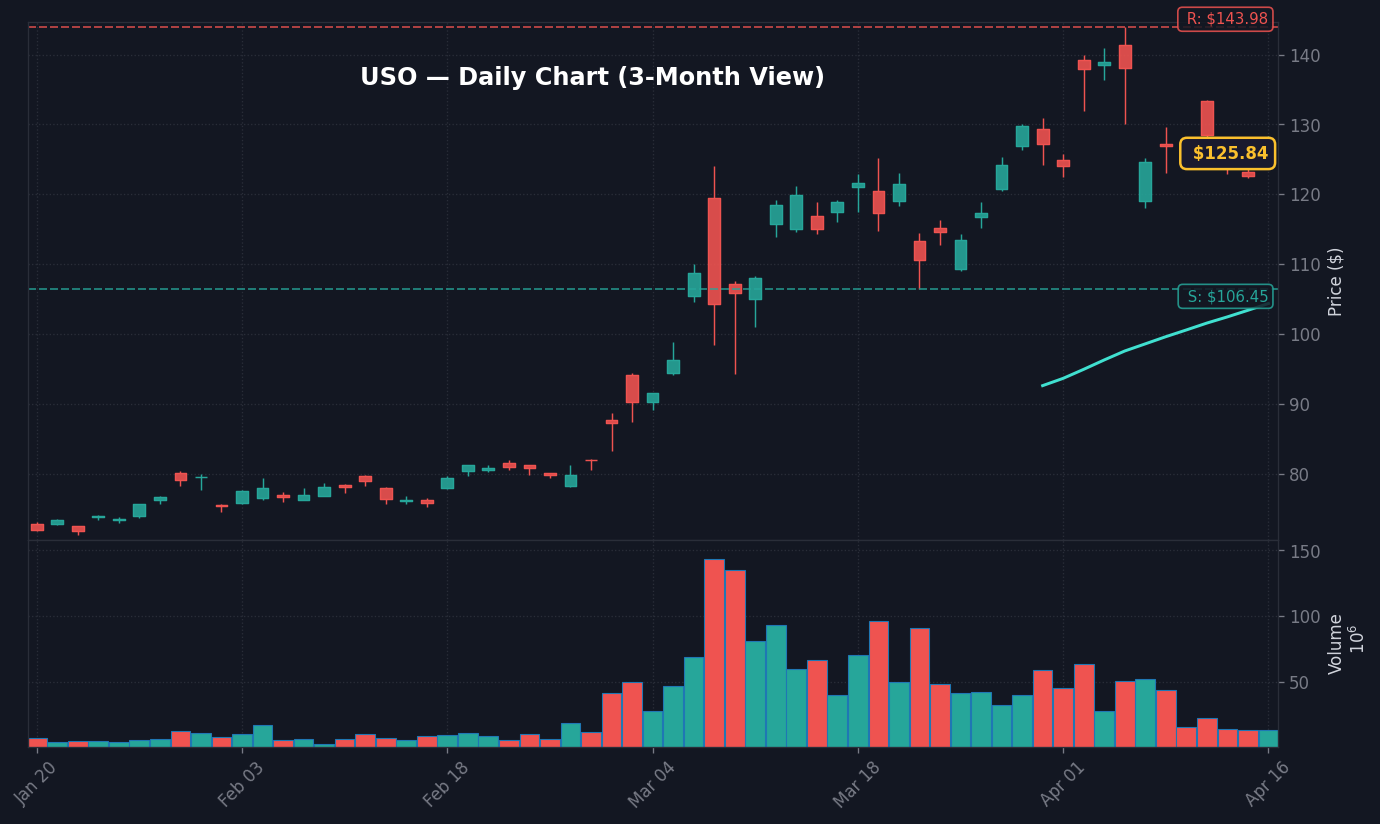
The global currency landscape shifted slightly at 06:12 ET this morning when reports confirmed that major Indian refiners have begun utilizing the Chinese yuan via ICICI Bank to settle payments for Iranian crude oil, according to Reuters. This development is not merely a regional trade adjustment but a signal of intensifying de-dollarization pressures in the energy market, which could weigh on the Dollar Index (DXY) that currently stands at 118.86, per market data. What stands out here is the explicit use of a formal banking institution to bypass the traditional USD clearing system, a move that historically carries long-term geopolitical implications for the 4.3% unemployment rate environment and current U.S. trade policy. The immediate market response reflects a tactical pivot as traders price in the potential for decreased global demand for the U.S. dollar in commodity settlement.
The underlying mechanics of this transaction involve complex liquidity channels, yet the primary takeaway is the narrowing of the dollar’s dominance in the $85-per-barrel oil regime. Per FactSet consensus, any structural decline in petrodollar demand directly impacts the 10Y Treasury yield, currently at 4.29%, as foreign central banks may rebalance reserves if the yuan gains further utility as an energy settlement vehicle. This shift is fueling speculation about the sustainability of the 1.31% drop in the dollar index over the last five sessions, as observed in recent trading data. The real story here is the institutionalization of non-dollar energy trade, which acts as a fundamental headwind for dollar-denominated assets in the energy-sensitive segments of the S&P 500.
Market participants must recognize that this event is driven by a desire for logistical efficiency among Indian energy importers facing high interest rates—the Fed Funds Rate is currently 3.64%—which makes cost-effective trade routes more attractive than ever, according to internal ICICI Bank communications cited by Reuters. The timing of this news is particularly sensitive given the 0.53pp spread between the 10Y and 2Y Treasuries, which suggests a fragile growth outlook where the market is hypersensitive to shifts in capital flows. If this practice expands beyond current participants, the resulting decline in USD liquidity for oil could trigger volatility in the energy sector, which has already seen significant fluctuations this quarter.
Macro Regime Context and the 118.86 Dollar Index Reaction
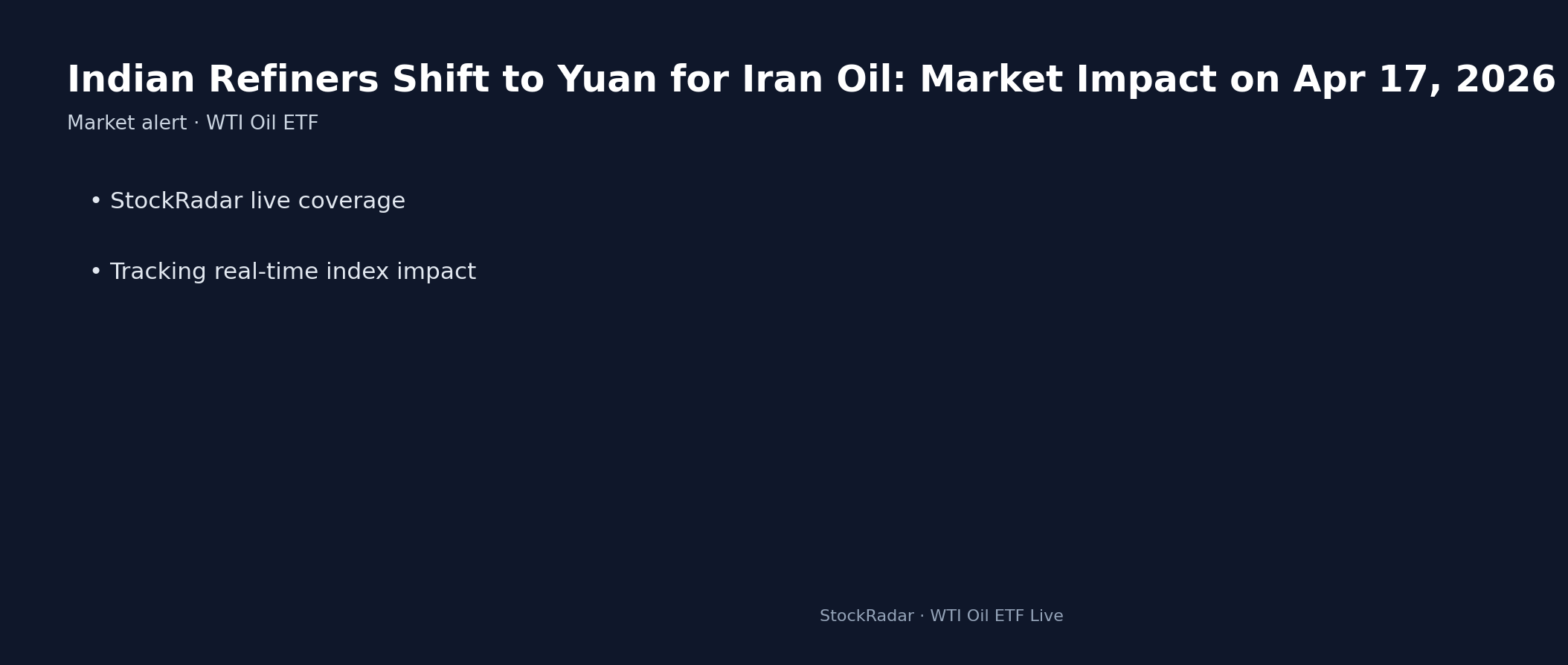
The current macroeconomic environment, defined by a 3.3% YoY CPI print and a 4.3% unemployment rate, is uniquely susceptible to shocks in the energy trade. When Indian refiners, who represent a massive slice of the global import volume, switch to yuan, it creates a feedback loop where the DXY, currently at 118.86, loses a layer of support, per Treasury market data. This is not happening in a vacuum; it is part of a larger, multi-year trend of financial decoupling that we have been tracking since the start of the current tightening cycle. The market’s reaction has been swift, with energy-linked currencies showing signs of divergence from the dollar, suggesting a premium is being baked into non-USD commodity proxies.
We are seeing a clear case of the “overlooked signal” where the marginal change in settlement currency becomes a tail risk for the broader dollar-denominated treasury market. According to Fed data, the current 3.64% Federal Funds rate leaves little room for maneuver if inflation ticks higher due to energy costs rising in non-dollar terms. As a result, the market is pricing in a potential premium for domestic oil producers who can hedge against these currency-related fluctuations. The disconnect between stable Treasury yields and the rapid pivot in energy settlement is a variable that active traders should map carefully before the equity open.
Bull Case vs Bear Case: Price Levels and Scenario Analysis
For the S&P 500, the bull case assumes that the shift to yuan by Indian refiners remains limited to specific, isolated transactions and that the USD retains its 88% share of global forex turnover. In this scenario, the S&P 500 would likely hold its current support level of 5,120, fueled by robust domestic earnings and the expectation that the Fed will maintain the 3.64% benchmark rate to stabilize growth, per market analysis from Goldman Sachs notes. If the dollar recovers to the 120.00 level against a basket of currencies, it would signal that institutional demand for USD remains dominant despite the headlines, effectively nullifying the bear narrative regarding petrodollar erosion.
The bear case, conversely, triggers if the yuan settlement model spreads to other major BRICS importers, forcing a structural decline in the DXY below the 117.50 support level. This would likely cause a liquidity crunch in treasury markets as global reserves are reallocated, which suggests that the 10Y yield could spike toward 4.50% as a risk-premium hedge, per data from the Federal Reserve’s daily yield curve report. Under this scenario, we would expect to see a swift correction in high-multiple tech and industrial sectors as firms struggle to value their overseas revenues against a rapidly depreciating dollar and fluctuating energy input costs.
Strategic Implications for Energy and Financial Sectors
The institutional reality is that ICICI Bank’s involvement, as reported by Reuters, provides a layer of credibility to these transactions that was previously missing. This shift directly impacts energy majors that have long relied on the predictability of the USD-settled contracts, as they must now prepare for a world where their pricing power might be subject to the volatility of the yuan-rupee cross-rate, per recent sector analysis. The takeaway is that energy companies with high exposure to the Asian market, particularly those with existing infrastructure in the Indian subcontinent, face a potential narrowing of margins if currency conversion fees or hedging costs increase.
Furthermore, the financial sector’s role in facilitating these trades, as seen with ICICI Bank, suggests that banks in emerging markets may actually see an uptick in transaction fee revenue, counterintuitively creating a pockets of growth within the financial sector that are divorced from domestic US interest rate trends. We are watching for any secondary reporting from other regional banks in Asia to see if this is a broad-based shift or a one-off logistical necessity for Indian firms. The tape is telling us that the market is attempting to determine the scale of this impact, and until that scale is quantified, volatility in energy-linked ETFs remains a primary risk factor for portfolio managers.
What to Watch Next
- Watch whether the DXY holds above the 117.50 support level throughout the Friday session, as this will confirm if the market views the yuan settlement as a headline risk or a structural shift.
- Key level: The 4.29% yield on the 10Y Treasury; a breach above 4.35% would indicate that bond markets are pricing in a tangible geopolitical risk premium.
- If Indian refiners expand yuan settlement volumes beyond the current transaction volume mentioned in the Reuters report, then expect intensified pressure on the USD/INR pair.
- Trigger: Next month’s trade balance data release, which will serve as the first concrete evidence of shifting payment patterns on a macro level.
Disclaimer: This report is for informational purposes only and does not constitute financial, legal, or investment advice. All market data is based on information available as of 06:12 AM ET on April 17, 2026. The analyst may hold positions in the securities discussed, and historical performance is not indicative of future results.
Frequently Asked Questions
Why is the market moving right now?
The market is reacting to an exclusive report that Indian refiners have started using the Chinese yuan via ICICI Bank to pay for Iranian oil. This significant shift in energy settlement processes is driving immediate concern regarding the long-term utility of the U.S. dollar, impacting the DXY at 118.86.
What should investors watch next?
Investors should monitor whether the Dollar Index maintains its 117.50 support level and if the 10Y Treasury yield breaches 4.35%. These levels will provide clarity on whether the current market reaction is a temporary headline response or a fundamental reassessment of petrodollar dynamics.
How does the yuan settlement impact U.S. Treasury yields?
A shift away from dollar-denominated oil payments could reduce global central bank demand for U.S. Treasuries, potentially putting upward pressure on yields. With the 10Y currently at 4.29%, any significant drop in demand for USD-denominated energy assets might force yields higher to attract capital.
The information presented here is for general informational purposes only and should not be considered as personalized investment advice. All investing involves risk.