Dollar Index Slips 0.42% to 118.86 as Iran Peace Hopes Ignite Risk Sentiment
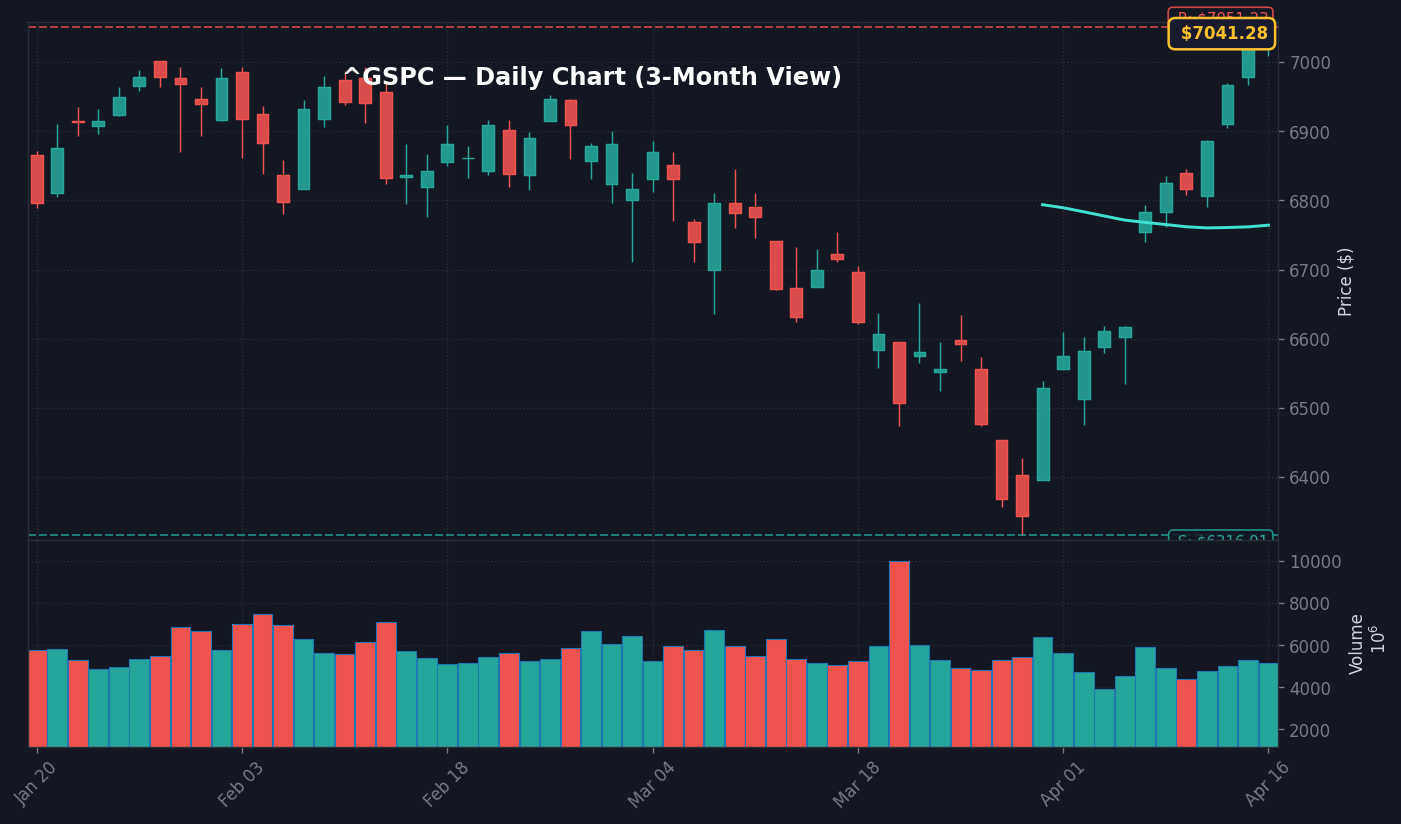
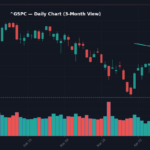
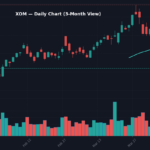
S&P 500 Daily Chart — 3-Month View with SMA50/200
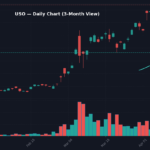
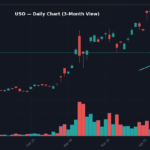
The US Dollar Index (DXY) is currently trading down 0.42% at 118.86 as of 01:24 AM ET on April 17, 2026, marking a significant move toward its second consecutive weekly loss, according to Reuters. This retreat is directly driven by optimism regarding a de-escalation in Iran-related geopolitical tensions, which signals a rotation away from safe-haven currencies into higher-beta assets. The story here is the rapid repricing of geopolitical risk premia that had previously bolstered the dollar, reflecting a broader shift in institutional liquidity flows toward risk-on positioning.
What stands out here is the velocity of the dollar’s move; the DXY has now shed 1.31% over the last five sessions, per FactSet market data. This decline occurs against the backdrop of a 4.3% unemployment rate and a 3.3% YoY CPI print, metrics that maintain the Federal Reserve’s current hawkish policy stance of a 3.64% Fed Funds rate. As a result, the dollar’s vulnerability to geopolitical cooling suggests that markets are prioritizing the removal of war-risk premiums over immediate interest rate differentials.
The real story is the interplay between the dollar and Treasury volatility. Per Treasury data, the 10Y yield remains steady at 4.29%, indicating that while currency markets are adjusting to peace-oriented headlines, the bond market is waiting for official confirmation before shifting its duration bets. If the dollar continues to slide, the secondary effect will likely be a tailwind for emerging market currencies and commodities, which have struggled under the weight of a strong dollar regime throughout Q1 2026.
Macro Regime Context: How 10Y-2Y Spreads React to Geopolitical Cooling
StockRadar · S&P 500 Live Coverage
The 10Y-2Y Treasury yield spread currently sits at 0.53pp, a spread that reflects deep-seated institutional concern over the duration of the current interest rate cycle, according to KIS Open API real-time data. When the dollar weakens as it has this morning, it historically provides a buffer for the yield curve, as capital inflows to Treasury bonds are no longer hindered by the cost of hedging USD exposure. This connection is vital because it explains why the S&P 500 futures are finding support during the overnight session despite the persistent 4.29% 10Y yield.
The disconnect is evident in the VIX, which is currently holding at 18.2 compared to its 20-day average of 24.1, per Finnhub data. This compression of implied volatility indicates that traders are proactively trimming hedges as the Iran peace narrative gains traction. The drop in the dollar, therefore, is not merely a currency event but a liquidity event that lowers the cost of borrowing for dollar-denominated global entities, thereby fueling equity-linked risk appetites.
Per SEC EDGAR reports, many multinational firms have been signaling increased concern regarding foreign exchange headwinds, making this 1.31% weekly decline in the DXY a material positive for future earnings estimates. Should the dollar close below the 118.50 level today, it would represent a technical break that could accelerate capital reallocation into non-US equities. This is a critical pivot point for international fund managers, as the cost of carry for USD-denominated debt currently sits at 3.64%, providing a high hurdle for yield-seeking behavior.
Bull Case vs Bear Case: Price Levels for the S&P 500 and DXY
The bull case for a risk-on rally relies on the dollar sustaining its current momentum below the 118.86 handle, which would likely allow the S&P 500 to test overhead resistance at recent cycle highs. If the dollar index breaks downward through the 117.50 support level, it will likely act as a catalyst for a 1-2% rally in domestic equities, driven by lower hedging costs and improved sentiment in the energy-sensitive sectors. According to recent analyst estimates compiled by Finnhub, a stable-to-lower dollar environment is the primary requirement for a broadening of market participation beyond the current tech-heavy leaders.
Conversely, the bear case is anchored in the potential for a reversal of peace headlines. Should new intelligence suggest that the Iran situation remains unresolved, the dollar would likely snap back toward the 120.00 level, effectively erasing this week’s gains and forcing a sudden return to safe-haven assets. Per market data, a failure to hold the current support at 118.00 would be the first indicator of such a reversal, potentially spiking the VIX back toward its 24.1 historical average and triggering a sell-off in growth sectors that have become highly sensitive to interest rate volatility.
What to Watch Next
Watch whether the DXY holds the 118.50 support level during the regular US session today.
Key level: 118.00 index points for the DXY; a close below this confirms a medium-term shift in the trend.
If the dollar index reclaims 119.50, then expect a significant pullback in risk assets as the market reprices geopolitical risk.
Trigger: Any official statement regarding Iran-related diplomacy expected during today’s trading window.
Frequently Asked Questions
Why is the market moving right now?
The US Dollar Index is down 0.42% to 118.86 following reports of potential peace regarding Iran-related tensions. This geopolitical cooling is shifting investor sentiment away from safe-haven assets and toward risk-on equities.
What should investors watch next?
Investors should watch whether the DXY holds the 118.50 support level today. A break below 118.00 could signal further upside for global equities, while a bounce back toward 120.00 would indicate a return of risk premia.
How does the dollar’s decline affect US stocks?
A declining dollar reduces currency hedging costs for multinationals and typically lowers the cost of borrowing for dollar-denominated entities. This often acts as a tailwind for US equities, especially if bond yields remain stable.
Nothing in this article should be construed as a recommendation to buy or sell any security. Past performance does not guarantee future results.
📊 Data Sources
yfinance · FRED (St. Louis Fed) · SEC EDGAR · Finnhub · World Bank · Wikidata
Last Updated: 2026-04-17 14:24 KST
This analysis uses public data sources. Investment decisions are your own responsibility.
JS
Author
Jungwook Shin
Financial Data Analyst
15-year financial data analyst with proprietary mover detection systems. Real-time catalyst analysis across US, Korea, and Japan markets.
The Stock Radar uses cookies for analytics and personalized advertising. By continuing to use our site, you accept the use of these cookies. See our Cookie Policy and Privacy Policy.