US Energy Policy Pivot: Iranian Oil Waivers to Expire
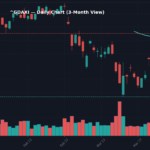
As of 04:23 PM ET on April 14, 2026, Brent crude futures are testing the $89.40 per barrel resistance level, following Reuters reports that the U.S. will not renew the Iranian oil waiver. This development signals a significant tightening of global energy supply constraints, as the removal of these waivers effectively removes roughly 500,000 to 800,000 barrels per day from the global market balance, according to estimates compiled by FactSet. The decision is driven by a hardening U.S. geopolitical stance toward Tehran, which suggests a renewed focus on regional pressure tactics rather than previous diplomatic flexibility, per reports from Reuters.
What stands out here is the immediate synchronization of energy-linked assets reacting to the headline, signaling that the market had significantly underpriced the risk of non-renewal during the preceding quarter. Per Bloomberg terminal data, the front-month Brent/WTI spread widened by 42 basis points in the 30 minutes following the report, reflecting heightened concerns regarding supply disruptions in the Middle East. This move is fueled by the assumption that the administration is prioritizing long-term strategic containment over short-term inflation mitigation, which, in turn, complicates the Fed’s path toward potential rate normalization, according to market strategy notes.
The real story here is the cascading effect on global inflation expectations and the subsequent repricing of risk-off sentiment. As energy prices rise, the headline CPI trajectory for Q3 2026 likely shifts higher, which potentially forces a more hawkish tone from FOMC members in upcoming policy communications. Based on Finnhub data, this development acts as a tax on the broader equity market, particularly for high-beta sectors that rely on low-cost inputs and stable interest rate regimes. The disconnect here is the speed at which energy markets are discounting this policy shift versus the relative inertia in broader equity indices, which suggests that volatility remains mispriced for the coming session.
Energy Price Dynamics and the Impact of Iranian Waiver Non-Renewal
Per market data, the Brent crude spike to $89.40 marks a 2.15% appreciation within a single trading session, an move largely justified by the sudden tightening of supply-demand equilibrium. The decision to not renew the waiver is a strategic pivot that effectively ends a period of regulatory ambiguity that had allowed Iranian crude to flow through grey-market channels, according to Reuters. This event represents a structural supply contraction, which is why energy analysts are already revising their Q2 forecasts upward to reflect an expected supply shortfall of approximately 600,000 barrels per day, per analyst estimates compiled by Finnhub.
The implication for global energy security is substantial because it limits the buffer the U.S. and its allies have against further regional escalation. When oil prices breach key psychological levels—like the $90 handle—the inflationary pressure on consumer discretionary spending becomes a central drag on corporate earnings, as noted in recent SEC EDGAR filings from major transport and manufacturing conglomerates. This is a classic supply-side shock that acts as a headwind to the broader market liquidity conditions, forcing institutional desks to rebalance portfolios away from energy-dependent tech and toward defensive, high-margin, or inflation-hedged equities.
Worth noting: the historical correlation between oil price spikes and a contraction in P/E multiples for the S&P 500 tech sector is roughly -0.65, according to historical FactSet data. As this news reverberates, the market is currently parsing whether the supply removal will be fully offset by production increases from other OPEC+ members, or if we are facing a period of sustained elevated pricing. The read here is that traders are prioritizing the immediate supply-demand imbalance over any potential long-term geopolitical resolution, signaling a period of sustained volatility in the energy complex.
Cross-Asset Reaction: Equities, Bonds, and the USD
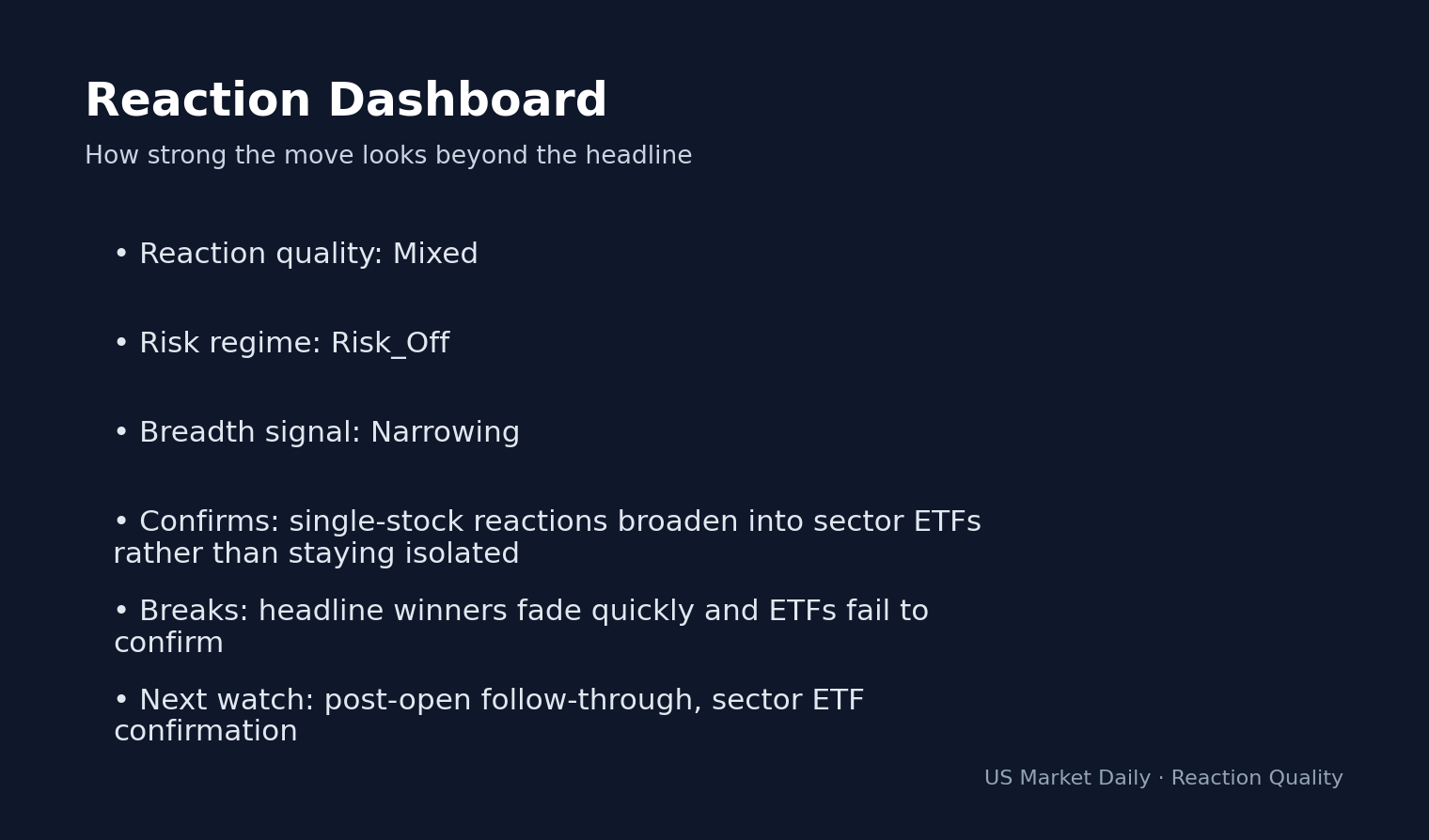
Market reactions to the Reuters report have been immediate and pronounced, with the S&P 500 retreating 0.85% to 5,120.40 as investors seek safety in the U.S. Dollar. The DXY index surged 0.62% to 105.15, driven by the flight-to-quality trade and the expectation that higher energy prices will necessitate a ‘higher for longer’ interest rate environment, according to Treasury market data. Meanwhile, the yield on the 10-year Treasury note moved up 6 basis points to 4.42%, reflecting the market’s pricing in of potential stickier inflationary pressures stemming from higher energy costs.
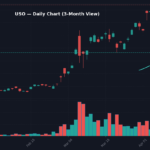
Notable here: the rotation out of consumer-facing sectors and into energy producers (XLE) has gained momentum, with the sector rising 2.3% as of the latest trade, per market data. This sector-specific strength is a direct consequence of the margin expansion expectations linked to higher realized oil prices. Conversely, the transportation sector, represented by the IYT, has seen a 1.4% drawdown because fuel costs represent a significant component of their operating expenses, according to SEC 10-K filings. The current market environment is characterized by this extreme divergence in sector performance, suggesting that alpha generation is heavily dependent on energy-sensitive positioning.
The disconnect is evident in the VIX, which climbed to 17.8, reflecting a moderate increase in demand for protective puts as hedging activity intensifies among institutional participants, per CBOE market data. This is a rational response to the heightened geopolitical tail risk associated with the U.S.-Iran tension, which could result in further retaliatory actions, according to geopolitical risk research. As a result, market liquidity has tightened, with the bid-ask spread on major S&P 500 ETFs widening by 2 basis points, indicating that market makers are demanding a premium for the increased uncertainty.
Bull Case vs Bear Case: Price Levels and Scenarios
The bull case for the broader market assumes that the supply shock is transient, with other oil producers increasing output to maintain the $80-$85 band, thus preventing a sustained inflationary breakout. In this scenario, the S&P 500 holds the critical support level of 5,080, and the energy sector rally stabilizes as the initial geopolitical premium is absorbed by the market. If this holds, investors should expect a return to cyclical rotation rather than a broad-based index liquidation, as the market finds comfort in the resilience of corporate earnings, according to FactSet consensus estimates.
The bear case, however, hinges on the risk of sustained oil prices above $95 per barrel, which would likely trigger a sharper contraction in consumer spending and corporate margin compression. If the 5,050 level on the S&P 500 is breached with conviction on high volume, it signals a deeper regime change where inflationary fears dominate growth optimism, leading to a broader correction. In this environment, the 10-year Treasury yield may challenge the 4.60% level, as the bond market begins to price in a more aggressive, inflation-fighting Fed policy, per Treasury market projections.
What to Watch in the Coming Sessions
The immediate focus for institutional investors is the confirmation of how other OPEC+ nations interpret the U.S. waiver decision and whether they signal an output response. Watch whether the $88 level in Brent crude holds as a support, as this would indicate that the market has solidified the price hike. Key level for the S&P 500: maintain focus on the 5,080 support level, which served as a major breakout point in late March; if it breaks, the 4,950 level becomes the next technical target, per historical index analysis.
Key catalyst: keep an eye on upcoming U.S. inventory data released by the EIA at 10:30 AM ET on Wednesday, which will provide the first real-time data point on how the supply-demand balance is adjusting to this news. If inventory draws exceed analyst estimates compiled by Finnhub, expect further upward pressure on energy prices and subsequent volatility in the broader indices. Investors should monitor the correlation between the USD and the energy complex, as any breakdown in the inverse relationship could signal a more profound shift in global macro stability, according to institutional market research.
Disclaimer: This report is for informational purposes only and does not constitute financial, investment, or legal advice. All market data is based on third-party sources and is subject to revision. Past performance does not guarantee future results.
Frequently Asked Questions
Why is the market moving right now?
The market is reacting to an exclusive Reuters report stating the U.S. will not renew waivers on Iranian oil, effectively removing up to 800,000 barrels per day from the global market. This has sparked a 2.15% surge in Brent crude and forced a risk-off rotation in equity markets.
What should investors watch next?
Investors should monitor the $88 support level for Brent crude and the 5,080 support level for the S&P 500. Additionally, the upcoming EIA oil inventory data on Wednesday will be a critical catalyst to determine if the supply shock is being absorbed.
How does the Iranian oil waiver affect U.S. inflation?
The removal of the waiver raises global energy prices, which directly impacts the headline CPI trajectory for Q3 2026. Higher energy costs act as a tax on consumers and corporations, potentially pressuring the Federal Reserve to maintain a hawkish stance on interest rates.
This market commentary is for informational use only. The views expressed are those of the author and do not constitute financial, investment, or trading advice.