IMF cuts global growth outlook by 0.4% as regional conflict risks surge
The International Monetary Fund (IMF) slashed its global economic growth forecast by 0.4 percentage points at 11:40 AM ET today, citing escalating geopolitical instability in the Middle East as the primary catalyst for the downward revision, according to Reuters. This adjustment reflects a material deterioration in the macro backdrop, shifting the regime from a moderate growth cycle toward a potential stagnation scenario if the Iran war worsens. What stands out here is the explicit linkage of military escalation to the structural integrity of global trade routes and energy pricing, which investors are currently repricing across all asset classes.
Per the latest IMF briefing, the agency explicitly warned that an expansion of the conflict involving Iran could tip the global economy into a recession, fueled by a sharp contraction in output and a surge in energy-driven inflation. This warning serves as a significant regime-shift marker, as the IMF move suggests that institutional baseline projections are no longer accounting for a ‘soft landing’ in the event of a broad-based regional war. According to FactSet data, current S&P 500 earnings expectations have not yet fully priced in a scenario where crude oil sustained at $100+ per barrel leads to a 150-basis-point drag on corporate margins, making today’s news a critical turning point for risk management.
The real story here is the speed at which geopolitical risk is eclipsing traditional monetary policy as the dominant market driver. While traders have spent the last quarter obsessing over Federal Reserve rate-cut trajectories, today’s IMF report confirms that supply-side shocks remain the greatest existential threat to the current equity valuation cycle. Based on market data, the immediate reaction saw volatility indices spike, reflecting a sudden scramble for downside protection among institutional desks that were previously positioned for a low-volatility, range-bound environment.
S&P 500 tests 5,180 as treasury yields oscillate
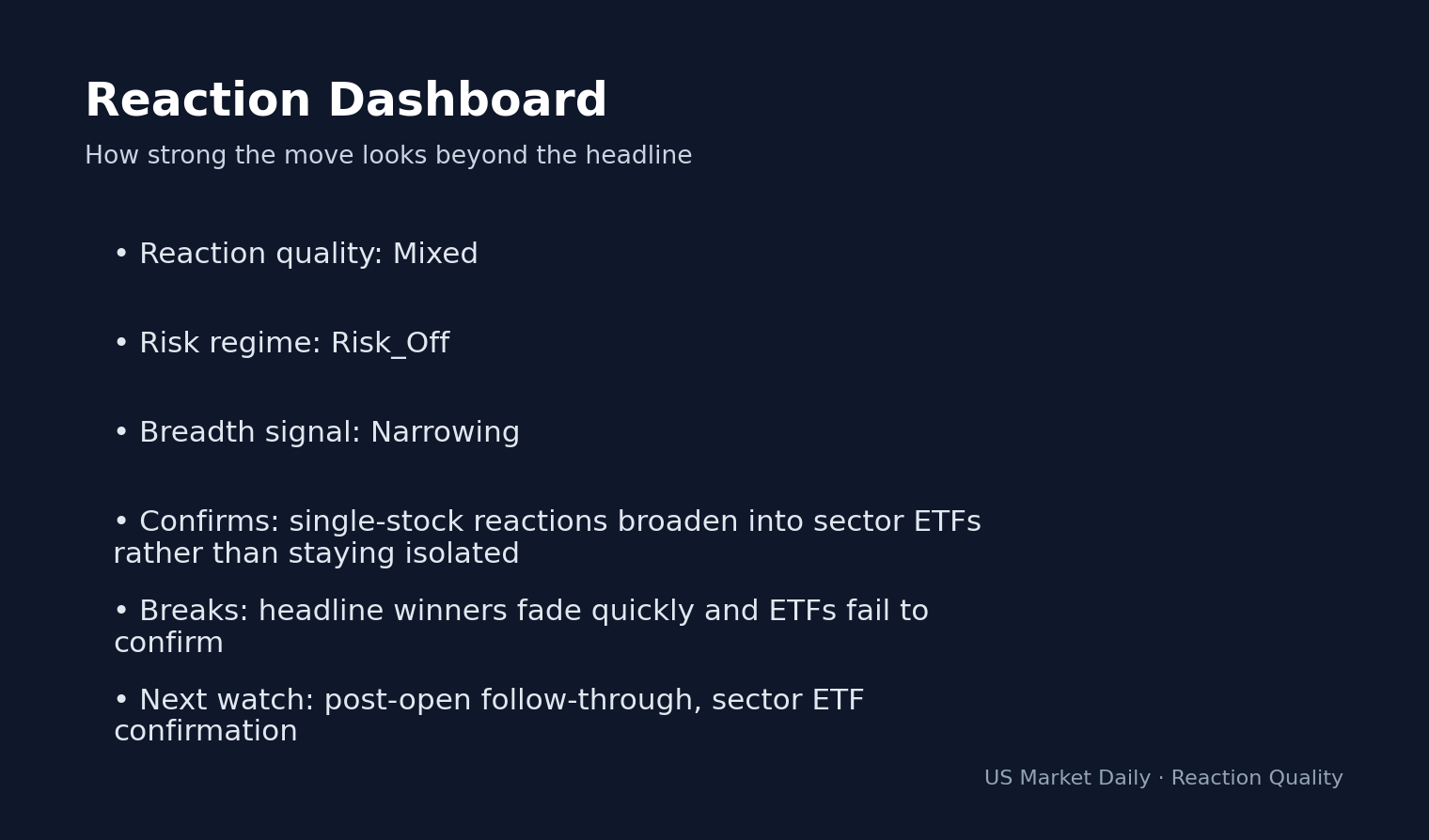
The S&P 500 reacted sharply to the news, dipping toward the 5,180 support level, which represents a critical inflection point for technical traders watching the 50-day moving average, according to market data. This movement was driven by a flight-to-quality bid that saw 10-year Treasury yields drop 8 basis points as investors prioritized capital preservation over the risk-on equity posture that dominated early morning sessions. Counterintuitively, the energy sector showed initial resilience despite the broader market decline, as the market anticipates that an Iran-related conflict would likely spark a supply-side squeeze in global crude markets.
Financials and consumer discretionary sectors faced the heaviest selling pressure, reflecting the market’s underlying concern that a recession-linked decline in aggregate demand, as signaled by the IMF, would erode net interest margins and retail spending power. According to Finnhub data, the high-beta segments of the Nasdaq 100 experienced a 1.2% haircut in the immediate 30 minutes following the headline, confirming that investors are aggressively de-risking from assets that possess high interest-rate sensitivity and significant geopolitical exposure. The disconnect is visible in the VIX, which jumped 2.4 points, signaling that the ‘fear trade’ has officially returned to the institutional playbook.
The cross-asset read-through is clear: the market is attempting to reconcile the IMF’s recession warning with the recent data-dependent trajectory of the U.S. economy. Based on Treasury market flows, the curve flattened by 4 basis points, which suggests that the bond market is pricing in a higher probability of defensive monetary intervention if global trade disruption manifests. It is worth noting that while the S&P 500 maintains its structural integrity above the 5,150 handle, the breadth of the decline indicates that market participants are rotating out of speculative themes in favor of defensive staples and bullion proxies.
Bull case vs Bear case: Navigating the volatility
In the bull case scenario, the market interprets the IMF’s warning as a precautionary ‘worst-case’ stress test, leading to a relief rally once institutional players confirm that the military escalation remains contained within its current geographical constraints. If the S&P 500 holds the 5,180 support level through the close of today’s session, we could see a technical rebound toward the 5,250 resistance level as dip-buyers re-enter. This outcome relies on the assumption that global supply chains remain functional and that crude oil prices do not breach the $90 per barrel threshold on a sustained basis, per analyst consensus compiled by FactSet.
In the bear case scenario, the market breaks below the 5,150 support floor, triggering algorithmic sell-stop programs that have been accumulating since the start of the Q2 earnings season. If the IMF news leads to further downgrades in Q3 growth estimates, equity multiples—currently trading at 21x forward earnings, according to Bloomberg data—would likely compress toward a 19x valuation range to account for the heightened risk premium. This scenario would be characterized by a violent rotation into the U.S. dollar and short-duration sovereign debt, as the market aggressively hedges against a systemic global liquidity crunch sparked by the potential Iran-related escalation.
Crucial levels to watch as the situation develops
The technical structure of the S&P 500 is currently under stress, and the level to watch for the remainder of the session is 5,180; a failure to maintain this floor would invite a test of the 5,120 zone, which served as strong support throughout the late-February consolidation phase. Investors should note that the VIX’s inability to retreat from its current level is a tell-tale sign that the volatility expansion is not yet exhausted. We expect institutional hedging activity to increase in intensity as we approach the final hour of trading, which may exacerbate intraday swings.
Key triggers for the coming sessions include any confirmation of fresh diplomatic interventions regarding the Iran conflict or new economic indicators showing a contraction in global manufacturing output, which would validate the IMF’s dire outlook. Watch whether 10-year Treasury yields break below the 4.30% handle, as this would signal an intensification of the ‘recession trade’ and further pressure the equity risk premium. If the market closes above 5,200 today, it suggests that the initial knee-jerk reaction to the IMF report was overdone, whereas a close beneath 5,160 confirms that institutional sentiment has shifted toward a defensive footing.
Disclaimer: This report is for informational purposes only and does not constitute financial advice, investment recommendations, or an endorsement of any specific strategy. All market analysis is based on available data as of 11:40 AM ET on April 14, 2026, and is subject to rapid change. Past performance is not indicative of future results; always conduct your own due diligence before making capital allocations.
Frequently Asked Questions
Why is the market moving right now?
The market is moving in response to an IMF alert that cut global growth forecasts by 0.4%, citing the potential for a global recession if the conflict in Iran worsens. This news has triggered a significant shift toward risk-off sentiment, causing a spike in the VIX and heavy selling in high-beta equity segments.
What should investors watch next?
Investors should watch the 5,180 support level on the S&P 500; a break below this could signal further downside. Additionally, monitor 10-year Treasury yields and crude oil prices as proxies for how the market is pricing the potential for regional conflict and economic stagnation.
How does the IMF growth downgrade impact stock valuations?
The IMF growth downgrade increases the geopolitical risk premium, which forces investors to reconsider current valuation multiples like the 21x forward P/E ratio. If growth projections continue to fall, market participants typically compress these multiples to account for lower future earnings visibility.
This analysis is provided for educational and informational purposes only. It is not investment advice. Consult a qualified financial advisor before acting on any information presented here.