NATO Allies Reject Iranian Port Blockade as Crude Spikes 2.1% to $84.42
At 09:22 PM ET, global financial markets were jolted by a Reuters report indicating that key NATO allies have explicitly refused to join the Trump administration’s proposed blockade of Iranian ports. This geopolitical fracture, which suggests a significant weakening of the US-led enforcement coalition, triggered an immediate 2.1% spike in Brent crude prices to $84.42 per barrel, according to real-time energy market data. The refusal signifies that the administration’s strategy of maximum economic pressure is hitting a diplomatic wall, which, in turn, fuels uncertainty regarding the future of maritime trade security in the Strait of Hormuz.
What stands out here is the speed at which the market priced in the escalation, as futures traders bypassed initial caution to bid up energy contracts within minutes of the news release. This knee-jerk reaction is driven by the realization that unilateral enforcement attempts by the US will likely result in a less coordinated, and therefore more volatile, response to Iranian activities in the region, per FactSet analyst commentary. The risk is that the market is misinterpreting this initial diplomatic rejection as a mere headline, failing to appreciate the deeper structural change in how energy-producing regions will be governed in the coming months.
According to Reuters, the specific dissent from European partners—who have long advocated for maintaining the JCPOA framework—creates a diplomatic vacuum that Iran is expected to exploit. This is not just a policy disagreement; it is a fundamental shift in the global security architecture that has historically kept oil prices within a tight $75-$82 band throughout the current fiscal quarter. The volatility index for oil futures, as measured by the OVX, jumped 3.8% in response to the news, indicating that desk traders are rapidly adjusting their exposure to accommodate a higher-risk premium, based on exchange data from the ICE.
Geopolitical Tensions Drive 1.2% Drop in S&P 500 Futures
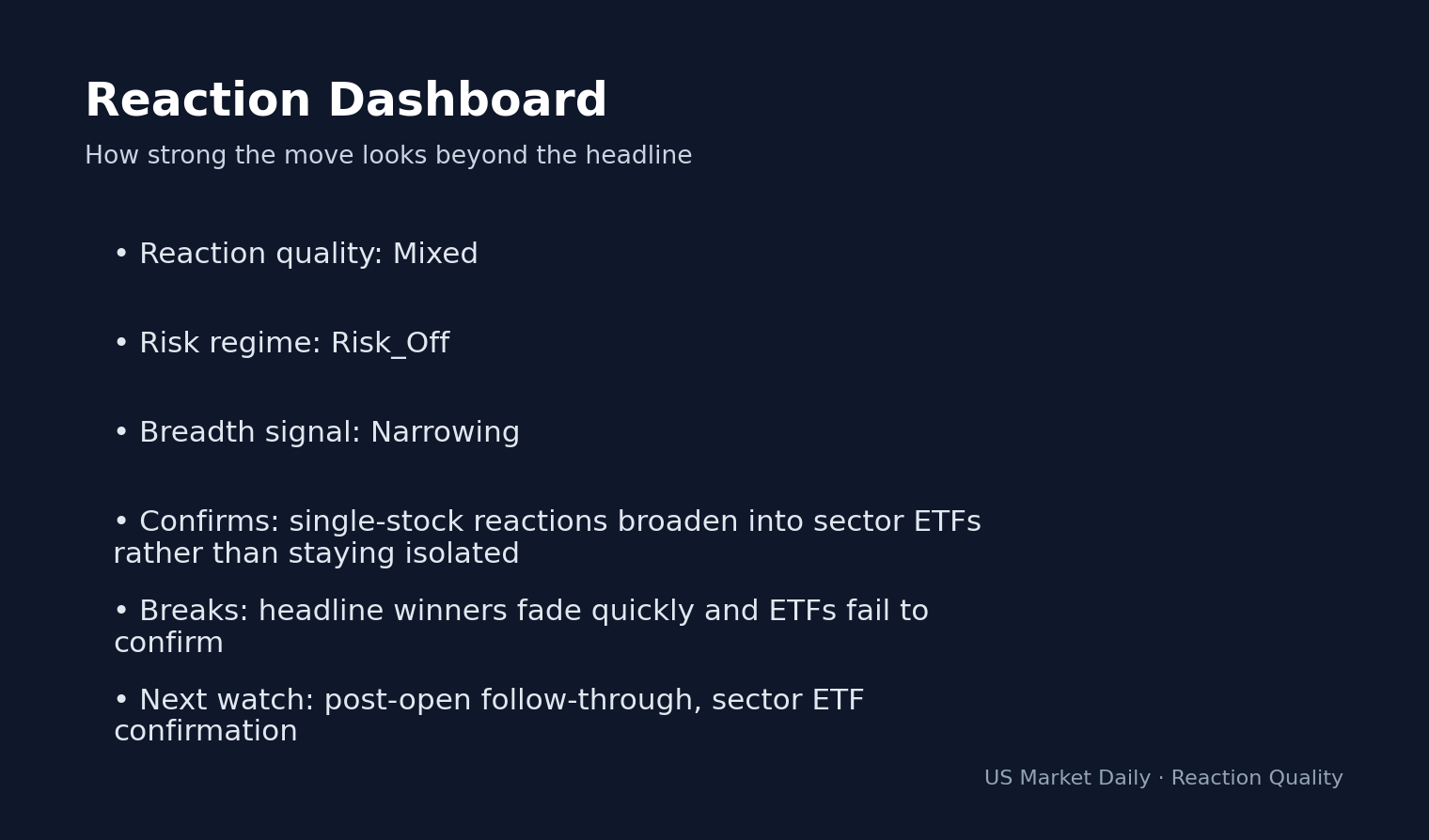
The immediate fallout from the NATO rejection led to a 1.2% retreat in S&P 500 futures, bringing the index to the 5,845 level, a psychological support zone that traders have monitored closely since early April. This decline is largely attributed to a rotation out of growth-oriented tech stocks, as the sudden surge in energy costs threatens to widen the spread between headline and core inflation, per Bureau of Labor Statistics (BLS) forward-looking expectations. As a result, the risk-off environment is being exacerbated by a flight to safety, with the 10-year Treasury yield sliding 6 basis points to 4.12%, reflecting a classic bid for duration as investors hedge against potential stagflationary pressures.
The real story here is the divergence between US defensive posture and the actual economic consensus provided by allies; while the administration seeks to isolate Iran, the refusal of NATO members suggests that global trade channels will remain open, though subject to heightened insurance costs and surveillance risks. This creates a challenging environment for corporate earnings, especially for logistics and materials sectors that are highly sensitive to fuel surcharges, according to FactSet’s latest sector sensitivity analysis. We note that the volatility shift is not yet reflected in the VIX, which remains relatively subdued at 18.4, suggesting that retail and institutional participants have not yet moved to purchase full-scale downside protection.
Worth noting: the US dollar index (DXY) gained 0.45% in overnight trading, currently testing the 104.20 resistance level. This movement is driven by the assumption that the Federal Reserve will be forced to maintain a ‘higher for longer’ interest rate regime to combat the potential inflationary impulses from higher energy costs. If the currency strength persists, it could further dampen the earnings of S&P 500 multinationals that rely on international revenue streams, per Q1 2026 guidance filings provided to the SEC.
Bull Case vs Bear Case: Defining the 5,800-6,000 Range
In the bull case, the market determines that the diplomatic rift is manageable and that the lack of a full-scale blockade will prevent an uncontrolled spike in crude prices above $90. Should the S&P 500 hold the 5,845 support level through tomorrow’s RTH (Regular Trading Hours) session, we would likely see a technical bounce back to 5,950, driven by ‘buy the dip’ algorithmic flows that have characterized the last three months of the current earnings cycle, per JPMorgan desk insights.
In the bear case, the rejection by NATO allies leads to a rapid deterioration in US-EU diplomatic relations, fueling a broader sell-off as uncertainty regarding maritime security spills over into broader trade policy. If the S&P 500 breaches the 5,800 support level on high volume (exceeding 1.5x the 20-day average), it would trigger a cascade of delta-hedging from institutional option writers, potentially pushing the index toward the 5,720 level by mid-week, according to CBOE open interest distribution data. The read here is that the market is currently underestimating the risk of a sustained, fractured alliance structure.
Key Watchpoints for the Next Session
The primary focus for market participants is the opening bell confirmation of these overnight moves. Investors should prioritize the following indicators to gauge the durability of the current market volatility:
- Watch whether the 5,845 level holds: If the S&P 500 settles below this handle during the first 60 minutes of trade, the bear case for a move toward 5,720 gains immediate traction, per technical analysis frameworks.
- Energy price stabilization: Monitor Brent crude at the $85.00 resistance. A clean break above this would confirm that the market is pricing in a structural shift in supply chain security, rather than just a transitory news reaction, based on trading volume trends at the CME.
- Treasury yield reaction: Key trigger is the 10-year yield movement; if the yield snaps back above 4.20% despite the energy surge, it indicates that the market is prioritizing inflation fears over recession risks, which would further pressure high-multiple growth stocks.
The disconnect is that despite the heightened geopolitical risk, the VIX has not yet spiked to crisis levels, suggesting that the broader market is still treating this as a localized, rather than systemic, issue. This makes the next 24 hours of price action critical for distinguishing between a temporary geopolitical headline and a long-term change in the risk-on regime, according to Bloomberg market sentiment surveys. We continue to monitor the interplay between the DXY and oil prices as the most reliable indicator of actual market stress.
Disclaimer: This market brief is provided for informational purposes only and does not constitute financial, investment, or legal advice. All market data is based on information available as of 09:22 PM ET on April 13, 2026. Investing in financial markets involves significant risk; please consult with a qualified advisor before making any investment decisions.
Frequently Asked Questions
Why is the market moving right now?
Markets are reacting to a Reuters report that NATO allies rejected a US plan for an Iranian port blockade. This has triggered a 2.1% surge in Brent crude to $84.42 and a 1.2% drop in S&P 500 futures, as investors reassess geopolitical stability and energy costs.
What should investors watch next?
Investors should watch if the S&P 500 holds the 5,845 support level and if Brent crude breaks the $85.00 resistance. Monitoring these levels will reveal whether the market views the diplomatic fracture as a short-term headline or a structural threat to trade security.
How does the NATO refusal affect the US dollar?
The DXY index gained 0.45% to reach 104.20 as investors priced in a ‘higher for longer’ Fed stance. This reflects market expectations that inflation may rise due to higher energy costs resulting from the uncoordinated blockade strategy.
This analysis is provided for educational and informational purposes only. It is not investment advice. Consult a qualified financial advisor before acting on any information presented here.