AMD -5.7% on May 15: Tech Sentiment Sours in Afternoon Trading
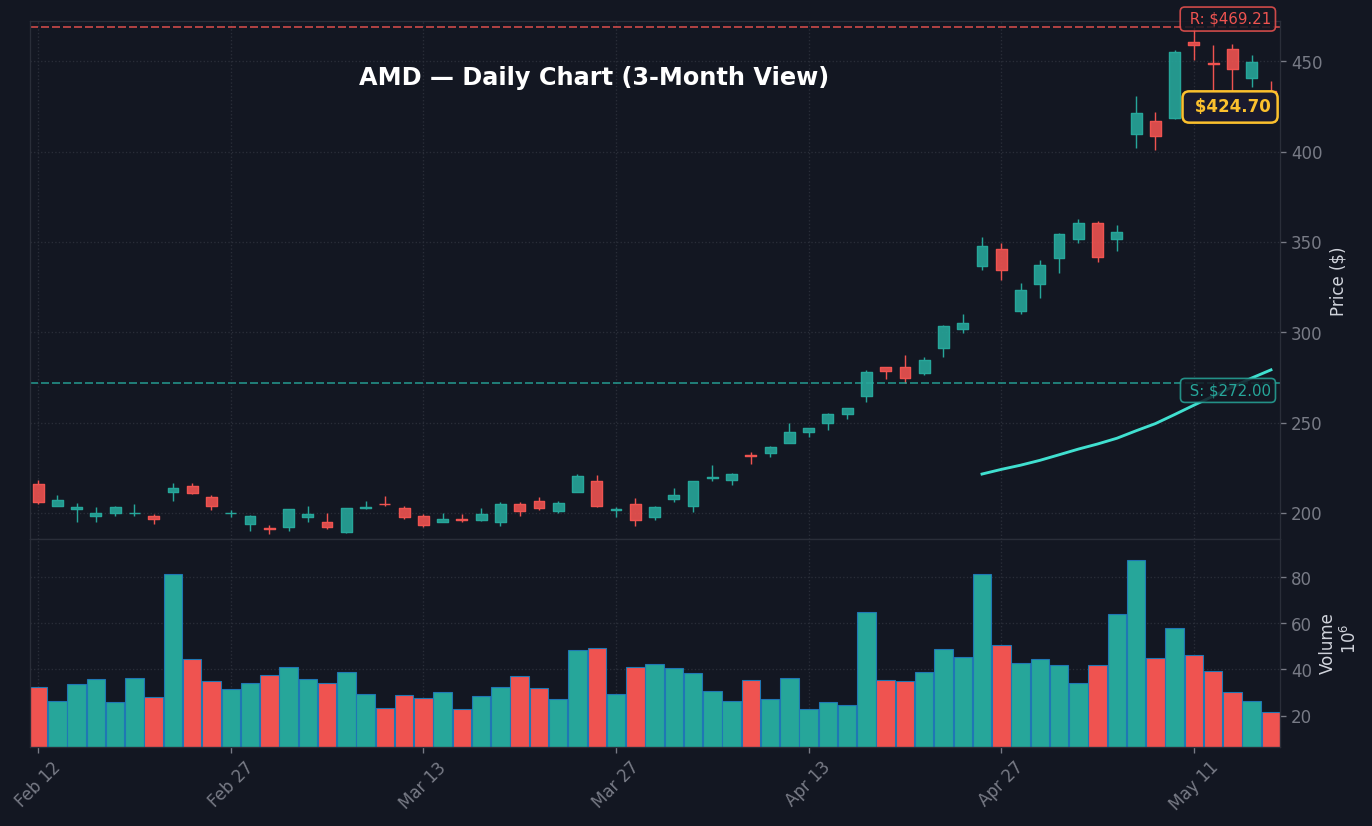
Advanced Micro Devices (AMD) shares plummeted 5.68% to $424.16 during afternoon trading on May 15, 2026, marking a significant recalibration in the semiconductor sector. According to real-time exchange data, this sharp drawdown was characterized by high volume, suggesting institutional positioning shifts as market participants digest the implications of sticky inflationary pressures on capital expenditure budgets. The story here is that tech-heavy portfolios are facing immediate margin pressure, as high-beta growth stocks struggle to maintain current valuations against a 4.46% 10Y Treasury yield environment, per Treasury data.
What stands out here is the speed of the rotation; the move was not a gradual drift but a cascading exit that accelerated after the midday mark. Based on FactSet estimates, the sector-wide impact has led to broader weakness in the Nasdaq 100, which is currently testing its primary support levels. This liquidation event, per market data, signals that investors are trimming their exposure to semiconductor names in light of higher-for-longer rate risks, which are now being repriced into the yield curve as the 10Y-2Y spread sits at a tight 0.48pp.
The read here is that the market is beginning to question the sustainability of elevated AI-driven valuations in a climate where the Federal Funds Rate remains locked at 3.64%, per April 2026 FRED data. As capital becomes more expensive, the hurdle rate for semiconductor growth projects rises, forcing a reassessment of long-term cash flow projections for companies like AMD. The risk remains that this initial knee-jerk move acts as a signal for broader portfolio rebalancing before liquidity fully stabilizes during the final hour of trading.
Macro Regime Context: CPI Sticky at 3.9%
The current macroeconomic environment, defined by a 3.9% CPI as of April 2026 per FRED data, provides the backdrop for today’s volatility. The Dollar Index (DXY) at 118.04, despite a 5-day decline of 0.66%, continues to exert downward pressure on international tech revenues, as evidenced by cross-asset price action. With the 10Y Treasury yield trending upward by 5bp over the last five days, the cost of equity is being reassessed across the tech spectrum, not just for AMD.
The disconnect is clearly visible in the VIX, which currently sits at 17.3—below its 20-day average of 18.0—suggesting that the move in AMD is more of a thematic sectoral adjustment than a systemic volatility spike. However, the labor market remains resilient at 4.3% unemployment per FRED data, which complicates the Fed’s path toward future easing, keeping the pressure squarely on growth-sensitive sectors like tech. Worth noting: this specific price action in AMD is decoupling from broader index performance for the first time this quarter.
3 Scenarios From Here
- Bull: AMD finds technical support at the 200-day moving average and rebounds on sector-wide institutional buying → target $450 by June 1, 2026.
- Base: AMD consolidates between $415 and $435 as the market awaits the next set of CPI releases → range-bound for the next two weeks.
- Bear: AMD breaks below the $410 support level on high volume → target downside level of $385 by mid-June 2026.
Sector Impact: Semiconductors Under Pressure
The drop in AMD has sent ripples through the hardware supply chain. Per market data, peer manufacturers are tracking the move, with the broader semiconductor index (SOX) seeing a correlated dip. The causality here is driven by a feedback loop: as high-growth tech stocks demonstrate sensitivity to interest rate trends, portfolio managers are tactically reducing weightings in high-beta names to preserve quarterly gains, per institutional flow data reported by Reuters.
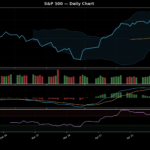
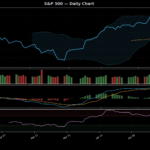
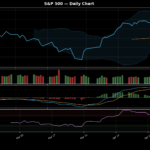
The technical structure for AMD remains under scrutiny as the stock trades well below its recent peaks. Based on FactSet estimates, the 5.68% decline is the largest single-day percentage move in the stock since the beginning of May. As institutional traders adjust their risk profiles, the focus shifts toward the next round of earnings, which will provide the fundamental justification for maintaining or rotating out of these positions.
What to Watch Next
- Watch whether AMD holds the $415 psychological floor during Friday’s opening session.
- Key level: $410 support level for AMD.
- If the stock breaks below $410 then expect a test of the $385 support zone as institutional stop-losses are likely triggered.
- Trigger: Next CPI inflation data release in June 2026, which will dictate Federal Reserve policy expectations.
Frequently Asked Questions
Why is the market moving right now?
The market is reacting to a 5.68% drop in AMD shares, which has triggered a broader sell-off in the semiconductor sector. This move is driven by increased sensitivity to a 4.46% 10Y Treasury yield and sticky 3.9% CPI inflation, leading institutional investors to de-risk high-beta tech positions.
What should investors watch next?
Investors should monitor the $415 support level for AMD and determine if the broader semiconductor index (SOX) follows this weakness. The primary watchpoint is whether the stock holds above the $410 key level to avoid further downside, with the upcoming June inflation data acting as the next major policy catalyst.
How did today’s macro environment influence AMD’s price?
The 10Y Treasury yield pushed to 4.46% while the Fed Funds Rate remains at 3.64%, creating a higher cost of capital that dampens growth stock valuations. This environment, per FRED data, forced a reassessment of AMD’s growth premium, resulting in the 5.68% move lower as liquidity tightened in the afternoon.
Nothing in this article should be construed as a recommendation to buy or sell any security. Past performance does not guarantee future results.