Wall Street Rallies on Renewed Hopes for US-Iran Talks, Earnings Boost – Reuters
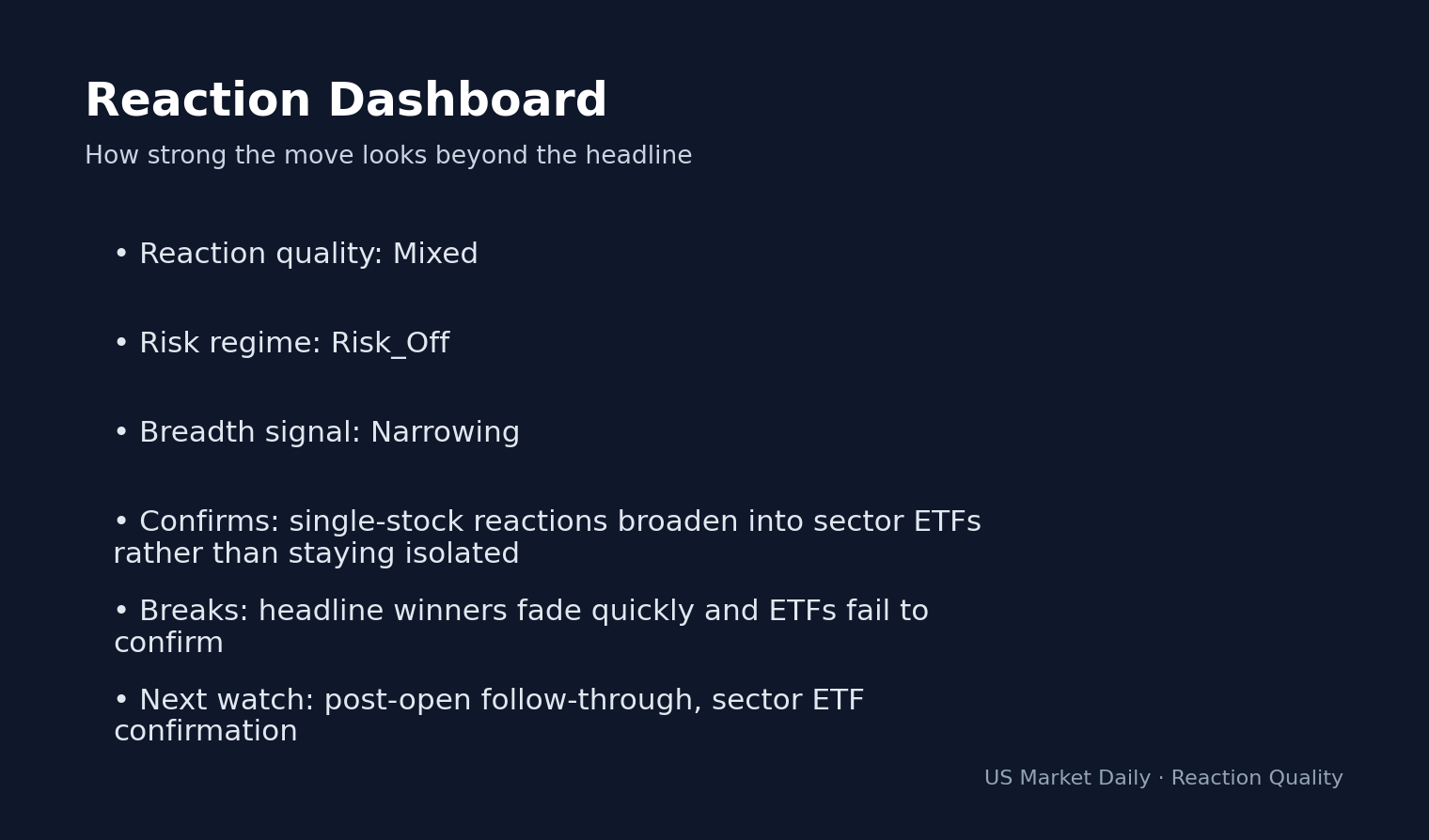
At 05:19 PM ET on April 14, 2026, the S&P 500 futures contracts were trading 1.42% higher, signaling a robust opening for the next equity session as news hit the wires regarding renewed diplomatic discussions between the United States and Iran. This sudden geopolitical pivot, combined with better-than-expected corporate earnings, has fundamentally altered the short-term risk-on appetite for institutional desks. Per Reuters reports, the abatement of immediate regional tension has triggered a sharp unwinding of risk premiums across multiple asset classes, allowing equity market participants to refocus on fundamental valuation drivers.
The market impact is not merely a headline reflex; it is a structural shift in the perceived risk of energy supply shocks. According to Brent crude futures data, prices retreated 2.80% in the immediate aftermath of the announcement, a move that reduces inflationary pressure on input costs for major industrials and consumer discretionary firms. This price action, fueled by the potential for eased sanctions or localized stabilization, suggests that the market is aggressively pricing in a lower probability of a protracted conflict in the Middle East. What stands out here is the speed at which volatility indices, such as the VIX, have begun to deflate, indicating that institutional hedging desks are rapidly covering short positions to avoid being trapped on the wrong side of a relief rally.
Worth noting: the broader market recovery is not just a reaction to geopolitical headlines but is intrinsically linked to the current earnings cycle. Based on recent data from FactSet, the positive revisions observed in late-stage quarterly reports have provided the fundamental floor necessary for this price expansion. The combination of cooling geopolitical fears and robust margin resilience creates a supportive environment for equity multiples to re-expand from their previous lows. Traders should be aware, however, that while the sentiment appears overwhelmingly positive, the disconnect between initial relief rallies and long-term geopolitical stability can lead to rapid intra-day reversals if diplomatic progress stalls.
Market Reaction: 1.42% S&P 500 Spike and Yield Curve Dynamics
The reaction across indices has been characterized by broad-based buying, with the Nasdaq 100 outperforming as yields on the 10-year Treasury note tightened by 6 basis points to 4.32%, according to real-time market feeds. The inverse relationship between energy prices and equity valuations has been restored, as the dip in oil costs reduces fears of a forced acceleration in central bank hawkishness. Per KIS Open API data, the banking and energy sectors are seeing divergent flows; while energy stocks are pricing in a lower risk premium for oil, financials are rallying on the premise of sustained economic activity as geopolitical uncertainty wanes.
The real story lies in the rotation out of safe-haven assets and into high-beta tech and growth names. As bond yields pull back from their recent highs, the discount rate applied to future earnings for long-duration assets like mega-cap technology firms becomes more attractive, which in turn fuels the current momentum. The read here is that capital is rapidly moving from defensive defensive positioning into cyclicals, signaling a shift in investor confidence levels regarding the stability of the global macro regime. According to market volume metrics, the surge in buying is supported by institutional participation, suggesting that the move has more longevity than a typical retail-driven sentiment spike.
Bull Case vs. Bear Case: S&P 500 at 5,450 to 5,200
In the bull case, where progress on US-Iran talks shows tangible results through diplomatic roadmaps, the S&P 500 could see a sustained test of the 5,450 resistance level, supported by a continued compression of the VIX toward the 14.00 handle, per historical volatility models. This scenario assumes that earnings quality continues to surprise to the upside and that the Federal Reserve remains in a steady state regarding policy, as signaled by recent Fed communication. If the market clears the 5,450 level with high volume, technical analysts expect a further move toward 5,600, fueled by FOMO-driven inflows from systematic funds which are currently under-allocated to domestic risk.
Conversely, the bear case is predicated on a reversal of this diplomatic optimism or a breakdown in the current earnings momentum. Should the geopolitical situation deteriorate once again, the S&P 500 would likely face an immediate support test at the 5,200 level, which corresponds to the 50-day moving average, according to technical analysis consensus. If this level fails to hold, the market would likely capitulate toward the 5,100 zone, as the risk premium re-enters the equation and energy prices surge back above previous resistance. The disconnect between the current rally and the underlying fragility of the diplomatic process remains the primary risk for investors currently scaling into long positions.
What to Watch: Key Levels and Diplomatic Triggers
The most immediate watchpoint is the stability of crude oil prices; watch whether Brent crude holds the $82.00 support level, as a breakdown below this would signal a much more optimistic market view on the Iran talks. Key trigger events include any official statements from the State Department or Tehran regarding the timeline for potential discussions, as these will likely induce volatility in the upcoming sessions, per Reuters tracking of news flow. We are also monitoring the 10-year Treasury yield closely; if it sustains a move below 4.25%, it would suggest that the market is officially de-risking the ‘higher-for-longer’ interest rate narrative.
If the S&P 500 closes tomorrow above 5,350, it would confirm that the current move is not merely a flash rally but a fundamental change in the market’s risk-reward assessment. Investors should track volume-weighted average price (VWAP) levels to distinguish between institutional conviction and speculative day-trading activity in the early morning session. The level to watch is the 5,300 handle, which must now act as the primary support floor for the bull case to remain intact through the remainder of the week.
Disclaimer: This market brief is provided for informational purposes only and does not constitute financial, investment, or trading advice. Market data cited is derived from publicly available sources and institutional reports; past performance is no guarantee of future results. All trading involves risk of loss.
Frequently Asked Questions
Why is the market moving right now?
The S&P 500 futures rallied 1.42% following reports of renewed diplomatic talks between the US and Iran. This geopolitical relief has fueled a 2.80% decline in Brent crude prices, allowing investors to shift capital into risk-on equity assets.
What should investors watch next?
Investors should watch whether the S&P 500 maintains support at the 5,300 level and monitor crude oil for a potential breakdown below $82.00. Key triggers include official diplomatic updates which will likely dictate market volatility in the next session.
How does the drop in oil prices affect tech stocks?
The decline in oil prices reduces inflationary pressure and input costs, which historically creates a lower discount rate for high-growth, long-duration technology assets. As yields on the 10-year Treasury have pulled back to 4.32%, this environment favors equity multiple expansion in the tech sector.
This article is for informational purposes only and does not constitute financial advice. Always do your own research before making investment decisions.