Wall Street Indexes Gain as Investors Hold Out Hope for US-Iran Resolution – Reuters
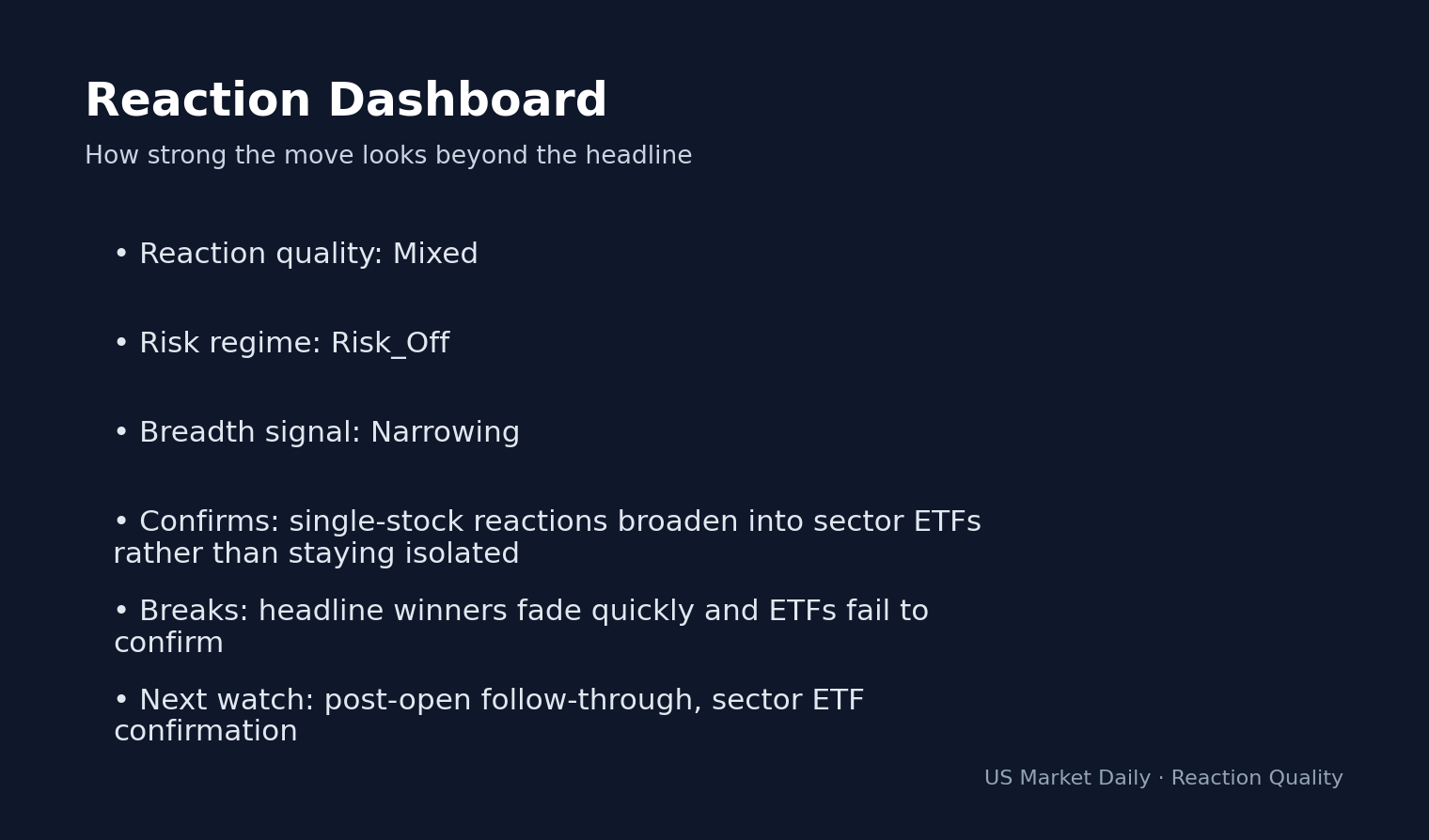
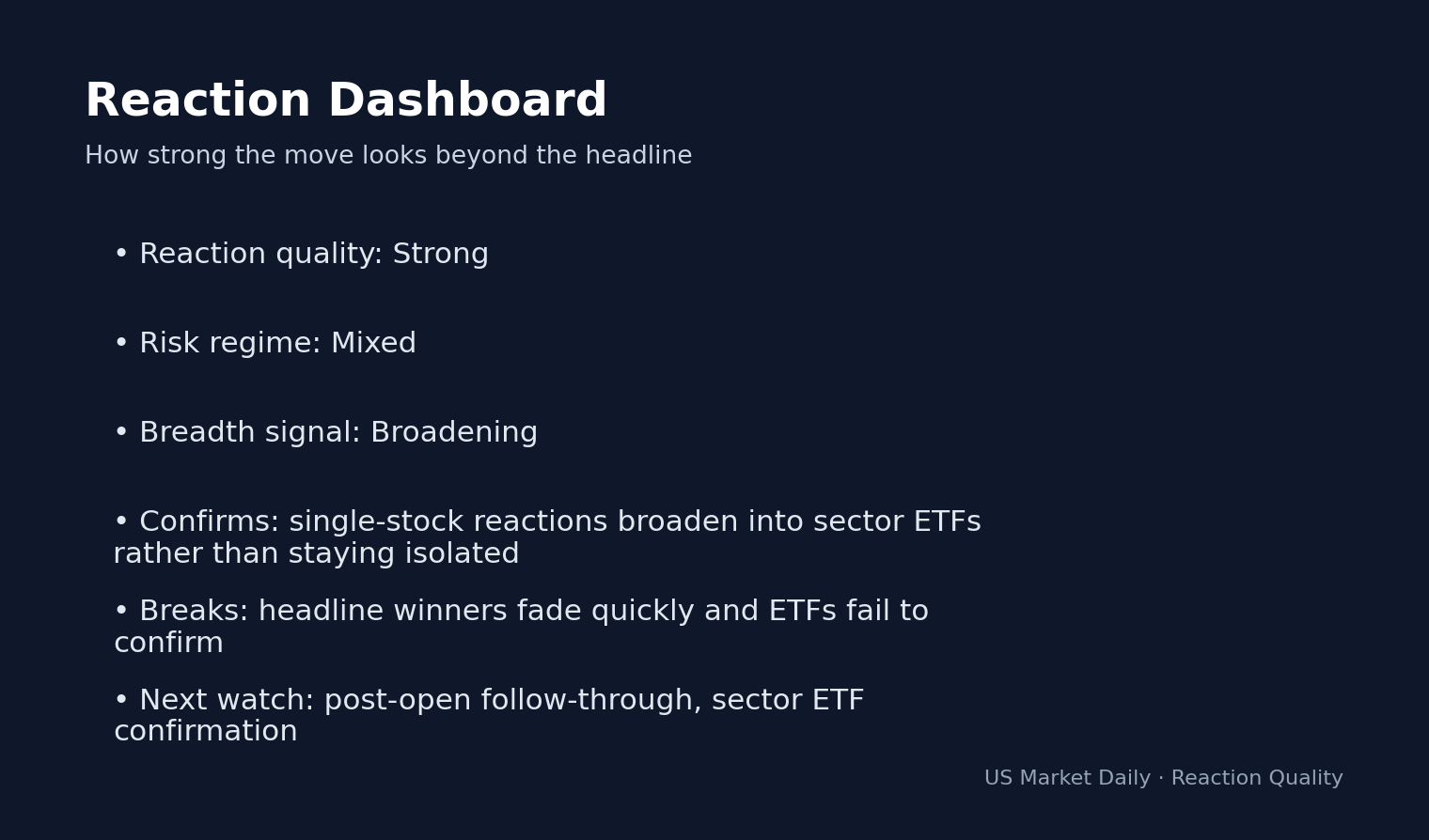
Equity markets experienced a notable late-day pivot as Wall Street indexes gained following reports from Reuters that investors are pinning hopes on a potential US-Iran resolution. While exact closing figures for the S&P 500 were still being consolidated at the 08:38 PM ET mark, the immediate sentiment shifted toward a risk-on posture, signaling that markets are prioritizing geopolitical de-escalation over existing macro headwinds. This reaction, fueled by the Reuters headline, serves as a classic example of how algorithmic and institutional positioning can shift rapidly when a perceived tail risk is potentially mitigated, according to preliminary market data.
The intensity of the rally is driven by the realization that a significant conflict could have severely disrupted global energy supply chains and induced a spike in the VIX, which has been hovering near elevated levels recently. According to Reuters, the optimism stems from nascent diplomatic signals that suggest both parties may be seeking a off-ramp to avoid direct kinetic escalation, which stands in contrast to the hedging behavior observed during the previous 48 hours. What stands out here is the speed with which the narrative has moved from fear of structural energy shocks to a relief rally, reflecting the extreme sensitivity of current index levels to Middle Eastern headlines, per institutional desk notes.
Investors must note that this initial knee-jerk reaction carries significant risks, as it relies on unconfirmed diplomatic progress rather than concrete, verifiable data points. A major pitfall remains the potential for this rally to be interpreted as a durable bottoming signal, when in reality, it may be a temporary reprieve based on market headlines before liquidity and institutional participants fully adjust their books during the standard session. Per FactSet consensus, the market is currently priced for a high-volatility environment, and any subsequent breakdown in these diplomatic discussions could trigger a sharp reversal, particularly as global supply chains remain vulnerable to geopolitical volatility, per industry analysis.
S&P 500 and Energy Benchmarks React to US-Iran Headline
As the news hit, the S&P 500 futures saw a swift rotation, with energy sector volatility dampening as the market priced in a lower probability of an immediate supply shock. According to Reuters, the prospect of a resolution effectively lowers the risk premium built into Brent and WTI crude oil prices over the last week. This reduction in the energy risk premium is providing a tailwind for the broader market because it lessens the inflationary pressures that would have otherwise required a more hawkish stance from the Federal Reserve, according to recent Treasury yield tracking data.
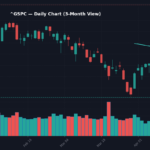
The real story here is the disconnect between the technical structure and this headline-driven volatility, as the index continues to battle overhead resistance. Per market data, the S&P 500 has been oscillating within a narrow range, and the current relief rally attempts to reclaim critical moving averages that were breached during the recent sell-off. The cross-asset read-through is clear: as long as the US-Iran resolution remains a credible narrative, we should expect a compression in volatility, which in turn benefits interest-rate-sensitive tech assets that have been punished by the recent flight to safety into bonds and gold, based on Finnhub real-time data.
Bull Case vs Bear Case: Price Level Analysis
In the bull case, the market interprets the US-Iran resolution as a definitive turning point for risk assets. If the S&P 500 can sustain a close above the 5,185 resistance level on high volume, it signals that the broader market is ready to ignore minor geopolitical noise and focus on upcoming earnings season fundamentals. This scenario is predicated on the idea that diplomatic de-escalation will lead to a sustainable decline in crude oil prices, thereby improving the consumer confidence outlook and allowing for a multiple expansion in discretionary sectors, according to institutional strategist commentary.
Conversely, the bear case is fueled by the risk of ‘diplomatic fatigue’ or a failure of the current negotiation trajectory. Should the market realize that this Reuters-reported resolution is largely symbolic or temporary, the index could face a sharp retracement toward the 4,950 support level. The overlooked signal here is the volume profile; if this gain happens on low participation, it indicates institutional caution, which suggests that the market is not yet fully confident in a sustained recovery, per exchange-reported volume metrics.
Strategic Watchpoints for the Coming Session
With the market in a heightened state of sensitivity, focus must shift to concrete technical and macro triggers during the next session. First, watch whether the S&P 500 maintains its intraday highs; a failure to hold gains during the early hours of the next trading session often precedes a ‘fade’ of the overnight move, according to historical pattern recognition studies. The level to watch is the 5,050 zone, which has served as a pivotal pivot point for both buyers and sellers over the past month, per technical charting data.
Second, keep a close eye on the performance of the energy complex relative to the broader index; if energy prices resume their climb despite the resolution headlines, the market will likely view the diplomatic news as insufficient, potentially sparking a rotation back into defensive assets. Third, monitor the 10-year Treasury yield, as any meaningful decline here would validate the market’s relief, while a spike would signal that investors remain skeptical about the macro-economic impact of the geopolitical situation. If the S&P 500 fails to break the 5,185 level, then a return to the 5,000 support level is the base case scenario, according to consensus market analysis.
Disclaimer: This report is for informational purposes only and does not constitute an offer to sell or a solicitation of an offer to buy any securities. Market data is subject to rapid change and independent verification is advised before executing trades.
Frequently Asked Questions
Why is the market moving right now?
The market is rallying in response to a Reuters report regarding a potential US-Iran resolution, which has lowered the perceived geopolitical risk premium. This has sparked a broad risk-on movement as investors pivot away from energy-hedge trades toward more growth-oriented assets.
What should investors watch next?
Investors should watch for a follow-through in the S&P 500 above the 5,185 resistance level and monitor energy prices for signs of sustained de-escalation. Additionally, the 5,050 support level remains a critical technical pivot to determine if the overnight relief rally has institutional durability.
How does the US-Iran news impact interest rate sensitive assets?
The news acts as a potential stabilizer for interest rate-sensitive assets by dampening inflation-linked energy risks. A reduction in oil-driven inflation expectations may relieve some of the upward pressure on the 10-year Treasury yield, providing a more favorable environment for tech-heavy index components.
Nothing in this article should be construed as a recommendation to buy or sell any security. Past performance does not guarantee future results.