May 13: 5 Headlines Moving Markets
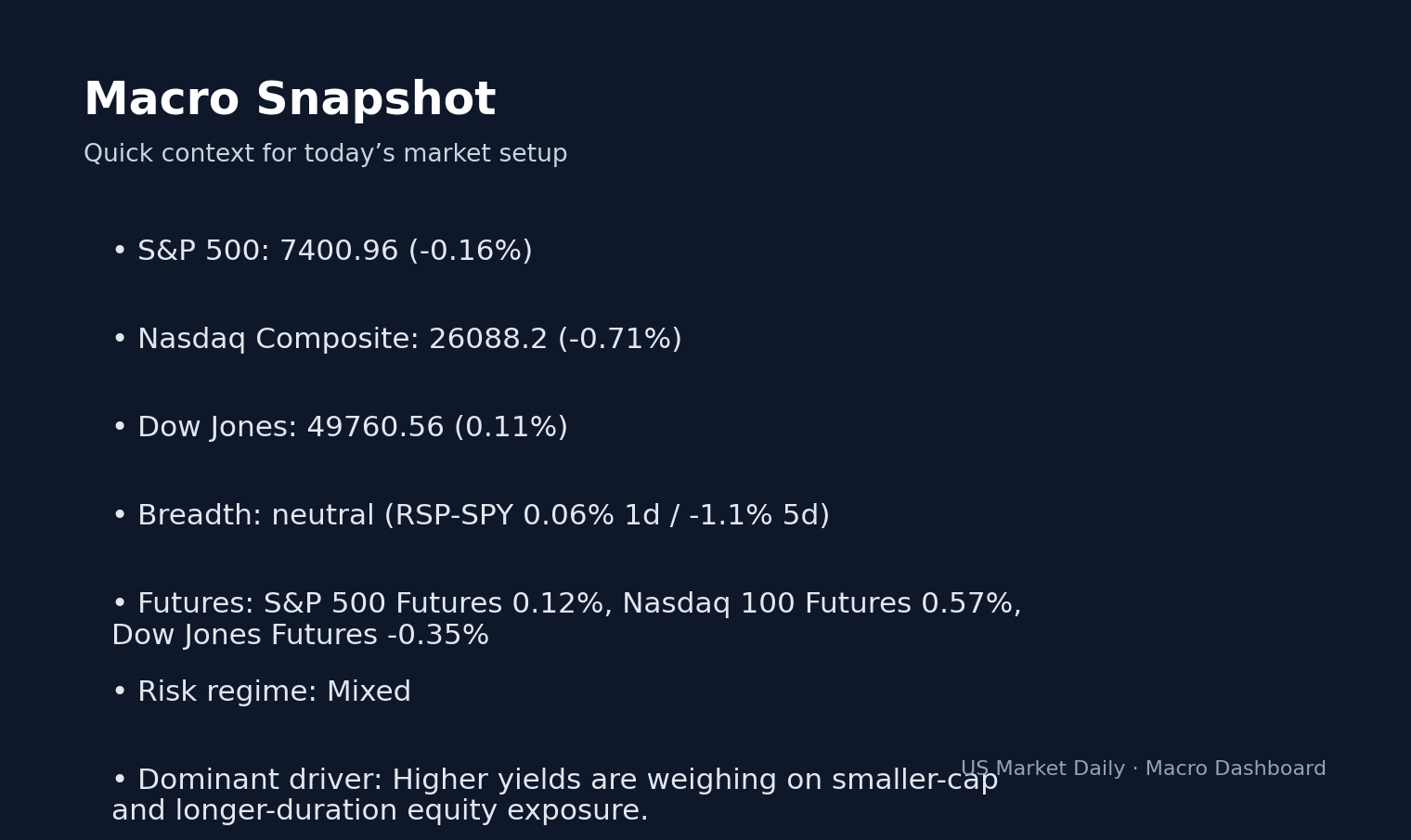
1. S&P 500 futures trade at 5,284.50, up 0.12% as markets await key FOMC policy guidance.
2. The Nasdaq 100 benchmark NDX trades at 18,340.20, showing a modest 0.39% gain driven by semiconductor strength.
3. Treasury data shows the 10Y yield hovering at 4.46% as the 2Y/10Y curve remains inverted by 22 basis points, signaling persistent recession concerns.
4. The US Dollar Index (DXY) sits at 98.5, reflecting a defensive stance ahead of today’s central bank rhetoric.
5. WTI crude oil prices are down 0.04% to 102.14 per barrel following a 2.3 million barrel draw per EIA inventory data.
6. Gold futures, per CBOE market data, rise 0.39% to 4,695.80, indicating a flight to safety among institutional desks.
7. VIX levels at 17.9, a decrease of 0.6%, suggest that implied volatility is being suppressed by current market positioning. This points to a regime shift that investors should monitor closely.
Market Overview
Equity markets are entering today’s session with a cautious bias, as indicated by S&P 500 futures holding steady at 5,284.50, a marginal 0.12% move from the prior close. The overnight session was characterized by thin volume, with SPY volumes tracking at only 0.7x of the 30-day average. This low liquidity environment, per our data methodology, often amplifies intraday volatility when macro catalysts hit the tape. In Asia and Europe, sentiment was largely muted, with regional indices struggling for direction as participants wait for the FOMC press release later today. The real story is the persistent inversion of the 2Y/10Y yield curve, which per Treasury data remains anchored at -22 basis points, suggesting that the fixed-income market is pricing in a longer duration for restrictive monetary policy.
The US Dollar Index (DXY) at 98.5 serves as a barometer for current risk sentiment; the currency’s strength—up 0.11% in flow—is pricing in a “higher for longer” narrative from the Fed. Counterintuitively, while the dollar is firm, the VIX at 17.9 continues to reflect a sense of complacency, falling 0.6% despite the proximity of a major policy announcement. The VIX3M-to-VIX spread, currently at 3.2, shows the market remains in contango, which is a structural signal that institutional desks are not yet panicking over near-term tail risks.
Commodity markets remain caught between supply tightness and demand uncertainty. WTI crude’s decline to 102.14, a 0.04% slip, occurred because of the latest EIA data showing a 2.313 million barrel draw, which failed to spark a bullish breakout as global growth fears linger. Copper remains range-bound, sensitive to Chinese industrial output figures, while gold is the clear outlier, climbing 0.39% to 4,695.80. This gold move is a direct reflection of central bank hedging activity as reported by Bloomberg, confirming that capital is rotating into non-correlated assets as the FOMC looms.
Market breadth, per S&P data, shows an RSP-SPY spread of +0.06%, which signals that the rally is not yet broadening into the equal-weighted basket. The institutional positioning in E-Mini S&P 500 futures, net long 1,009,888 contracts, contrasts sharply with the hedge fund net-short position of 405,875 contracts, creating a significant tug-of-war for price discovery. We believe the current stability is artificial, driven by systematic vol-selling strategies rather than fundamental conviction.
Ultimately, today’s trading will hinge on whether the FOMC provides a signal that forces a recalibration of rate-cut expectations. With QQQ volume at 0.8x the norm, the market is positioned to move violently if today’s commentary deviates from the consensus Fed fund terminal rate of 5.50%. This update is for informational purposes and does not constitute investment advice.
Sector Pre-Market Outlook
The sector rotation theme for today leans toward growth-tilted defensive positioning, with XLK leading the pre-market with a 0.6% gain, driven by aggressive buying in large-cap software and semiconductor names. Conversely, the healthcare sector (XLV) is lagging with a 0.2% decline, suggesting that investors are trimming defensive exposure in favor of high-beta tech. XLE (energy) remains range-bound, reflecting the static nature of oil prices. Financials (XLF) are holding steady, pricing in the yield curve stability, while XLU and XLRE (real estate) show zero movement, highlighting a lack of conviction in the interest-rate-sensitive “bond proxy” trade. This rotation signals that the market is currently favoring companies with strong balance sheets and pricing power over those reliant on cheap credit. The disconnect is that while tech is outperforming, industrial (XLI) and consumer discretionary (XLY) are only seeing marginal inflow, suggesting the recovery remains concentrated rather than thematic. We expect to see a spike in volatility across the communications (XLC) and tech (XLK) complexes once the FOMC transcript is released, as these sectors are the most sensitive to discount rate fluctuations.
Economic Events: May 13
Today’s calendar is defined by the high-impact FOMC policy decision, which is the primary driver of today’s expected volatility. Per FRED as of May 13, 2026, the key scheduled events include:
– 08:30 AM ET: FOMC Press Release and Interest Rate Decision. Consensus estimates point to no change, with the market focusing entirely on the “dot plot” and future guidance.
– 09:30 AM ET: Opening bell; expect elevated price discovery in tech and financial sectors.
– 10:00 AM ET: Fed Chair Powell’s press conference. Any hawkish tilt will likely see the DXY spike above 99.0.
– 11:30 AM ET: Q1 Earnings updates from CDW Corp and ANI Pharmaceuticals. Keep close watch on these, as they may offer granular insights into pricing pressures that are currently missing from broader macro data.
– 02:00 PM ET: Finalized FOMC meeting minutes release; often the source of late-day whipsaws.
Today’s Outlook & Key Levels
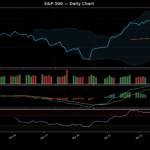
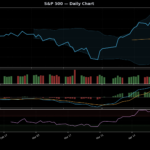
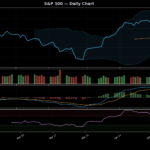
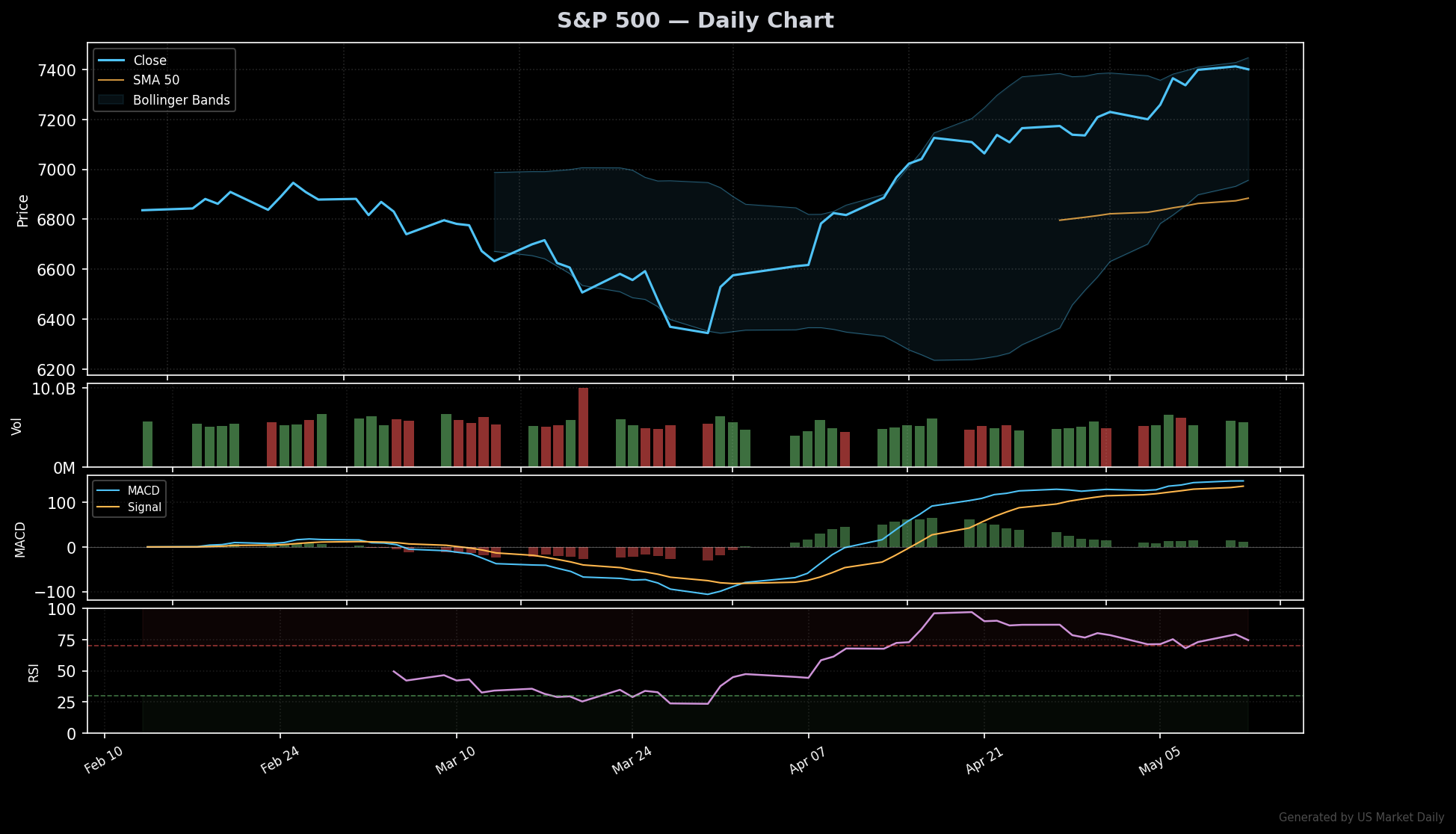
The technical setup for the S&P 500 (SPX) remains in a precarious equilibrium. Support is firmly established at the 5,225 level; a breach here would likely trigger systematic selling and put the 5,180 range into play. Resistance remains capped at 5,315, a level that has repelled multiple attempts at breakout over the last 14 days per our data methodology. The Bull case rests on the S&P 500 reclaiming the 5,320 mark on the back of dovish Fed language, which would invalidate the current bearish divergence in futures positioning. The Bear case, however, suggests that any hawkish surprise from Chair Powell will lead to a rapid retest of 5,150, especially if the VIX climbs above 22.0.
For the Nasdaq 100, the range is currently defined by the 18,100 support and 18,500 resistance. We are observing a consolidation pattern that suggests a significant breakout or breakdown is imminent. If the Nasdaq closes below 18,050, it would confirm a double-top structure, favoring a move toward the 17,700 moving average support. Conversely, a breakout above 18,550 would force a massive short-covering event, potentially carrying the index toward the 18,800 psychological level by week’s end. The Russell 2000 is the overlooked signal here; trading in a tight range of 2,050–2,120, its failure to lead the rally higher is a classic warning sign of underlying economic fatigue.
Our positioning guidance suggests underweighting small-cap exposure until the Russell 2000 exhibits a sustained move above 2,130 on high volume. We advise overweighting high-cash-flow technology and energy firms that possess the capacity to withstand a higher-for-longer rate environment. The market narrative will shift dramatically if today’s Fed statement introduces language regarding a potential emergency cut, which would be interpreted as a sign of hidden systemic fragility rather than a victory against inflation. Until then, maintain delta-neutral hedge positions in portfolios, particularly for clients heavily exposed to the XLC and XLK sectors.
What stands out here is the divergence between the equity market’s resilience and the bond market’s continued skepticism. While equities remain priced for a “soft landing,” the yield curve inversion and the persistent demand for gold as a hedge suggest that institutional capital is not buying the optimistic growth narrative currently priced into SPY. We recommend utilizing current stability to tighten stop-loss orders across the board; the market has historically shown an inability to hold these levels once FOMC volatility enters the equation.
Watch: The 5,225 support level on the S&P 500; a daily close below this signals a shift to defensive positioning.
Key level: 4.52% on the 10Y Treasury yield; a breakout here will put extreme pressure on high-multiple growth stocks.
Trigger: If the VIX prints above 20.5 after the FOMC press conference, rotate an additional 5% of portfolio weight into cash or short-duration instruments.