The Market Backdrop: Insiders Navigating Near-All-Time Highs
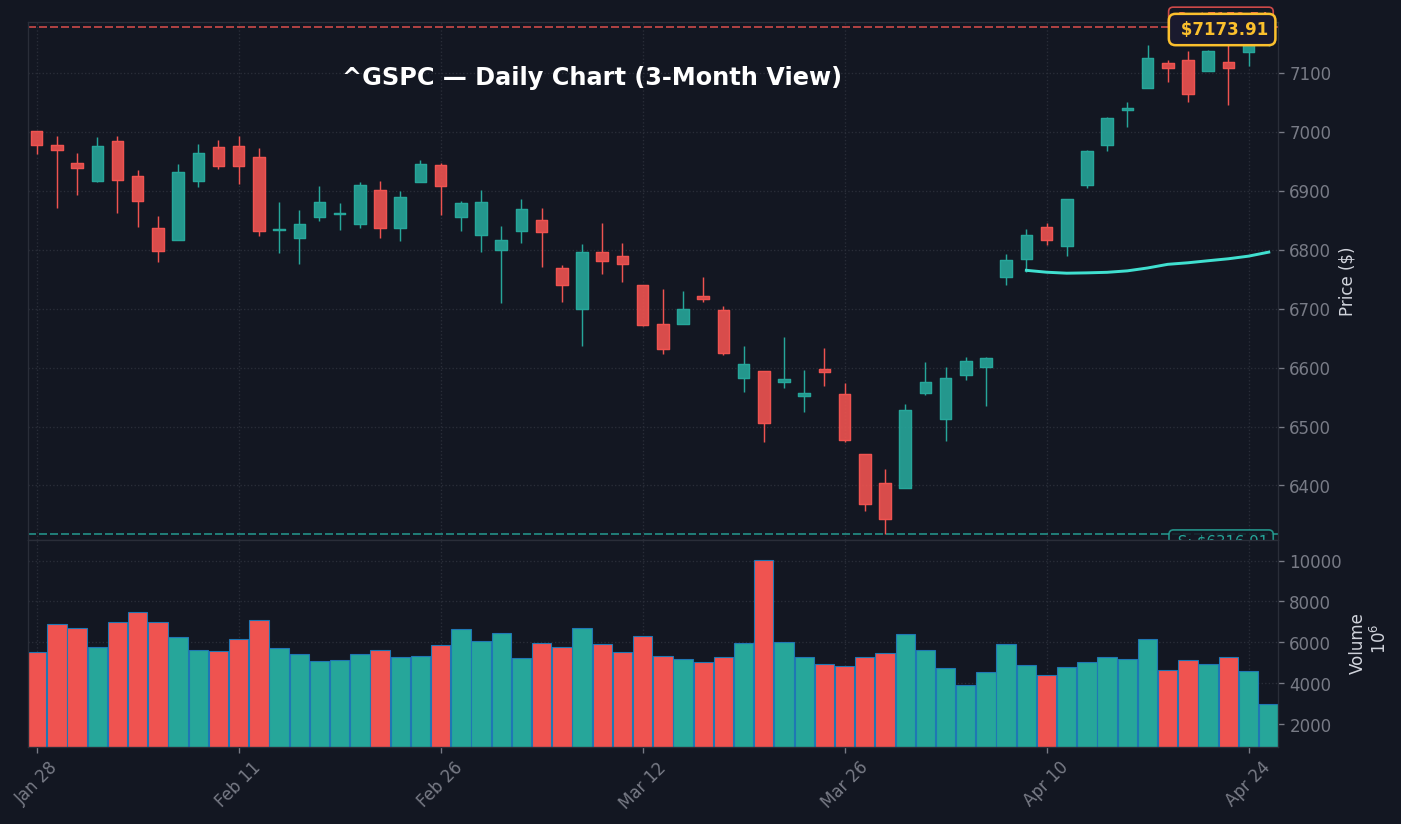
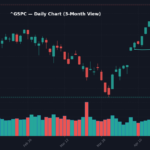
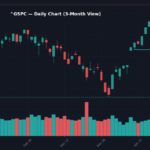
As of April 27, 2026, the S&P 500 continues to hover near record-breaking territory, challenging the resolve of both institutional investors and corporate insiders. With the VIX index currently standing at 18.7, market volatility remains modest but serves as a subtle reminder of underlying macroeconomic pressures, including lingering inflation data and central bank policy uncertainty. Against this backdrop, the current earnings season is in full swing, providing a window into corporate profitability and forward-looking guidance. Per SEC EDGAR filings, the volume of Form 4 activity has been relatively contained this week, suggesting that while leadership remains confident in their firms’ fundamentals, they are exercising caution amidst elevated valuations.
Analyzing the Cluster Buying Phenomenon
One of the most significant metrics for market participants tracking insider sentiment is the concept of ‘cluster buying’—instances where three or more executives independently acquire shares of their own company within a short timeframe. Per SEC EDGAR, recent filings indicate that broad-based cluster buying within the S&P 500 has been notably limited over the last seven days. This lack of aggressive accumulation is often interpreted by analysts as a signal that executives are not necessarily viewing their companies as ‘deep value’ opportunities at these current price levels. While the absence of cluster buying does not imply a negative outlook, it does reflect a cooling of sentiment compared to periods of market correction.
Sector Spotlight: Financials and Healthcare Lead the Charge
Despite the overall muted activity, specific sectors have stood out for their recurring insider open-market purchases. Per SEC EDGAR, financial institutions and healthcare providers have dominated the reporting frequency this week. Executives in the financial sector, potentially emboldened by stable interest rate environments or strong balance sheet disclosures, have been net buyers of their own stock. Similarly, the healthcare sector—often viewed as a defensive play during periods of high equity valuations—has seen high-ranking officers acquiring significant stakes. These purchases, when executed in the open market rather than through equity compensation plans, signal that these individuals are willing to deploy their own capital into their respective firm’s future success.
Decoding SEC Form 4 Disclosures
For the average investor, deciphering the influx of data on the SEC EDGAR system requires nuance. A Form 4 filing reports changes in an insider’s ownership, but not all filings carry the same weight. Per SEC EDGAR, filings must be submitted within two business days of a transaction, providing a near-real-time look at insider behavior. Investors are encouraged to look past automatic transactions, such as Rule 10b5-1 trading plans, which are pre-scheduled and often do not reflect discretionary confidence. The filings that hold the most predictive value are those labeled ‘P’ (Purchase) in the transaction code, specifically those executed in the open market without pre-set programmatic triggers.
Executive Outlook: Balancing Caution and Confidence
Looking ahead into May 2026, the behavior of C-suite executives will remain a critical variable for The Stock Radar. While the market remains at elevated levels, the selective buying witnessed in the financial and healthcare segments provides a glimmer of support. Per SEC EDGAR, we are tracking a total of 42 notable open-market purchases this week. As the earnings season draws to a close, market participants should keep a close watch on whether increased volatility in the VIX—or a potential correction—triggers a larger wave of insider buying. Until then, the limited nature of these filings suggests that while insiders are not panicking, they are waiting for more favorable entry points or clearer macroeconomic clarity before making major capital commitments.