Contents
- 1 S&P 500 Surges 0.85% to 7101.08 as Markets Shake Off NFLX Volatility
- 2 NFLX Drops 10.05% as Earnings Results Trigger Institutional Re-pricing
- 3 Sector Rotation: Industrials Rise 1.73% While Energy Faces 4.32% Headwinds
- 4 Bull and Bear Scenarios: Navigating the 7100 Level
- 5 FOMC and Key Levels
- 6 Next Session Watchpoints
- 7 Frequently Asked Questions
S&P 500 Surges 0.85% to 7101.08 as Markets Shake Off NFLX Volatility
The S&P 500 reached 7101.08 in morning trade on April 17, 2026, marking a 0.85% advance that signals investor resilience. Market sentiment bifurcates as the index pushes toward new highs while Netflix (NFLX) suffers a 10.05% decline to $96.95, according to real-time market data. This movement is fueled by a rotation into broad industrial and consumer discretionary names, which offsets the drag from the communication services sector.
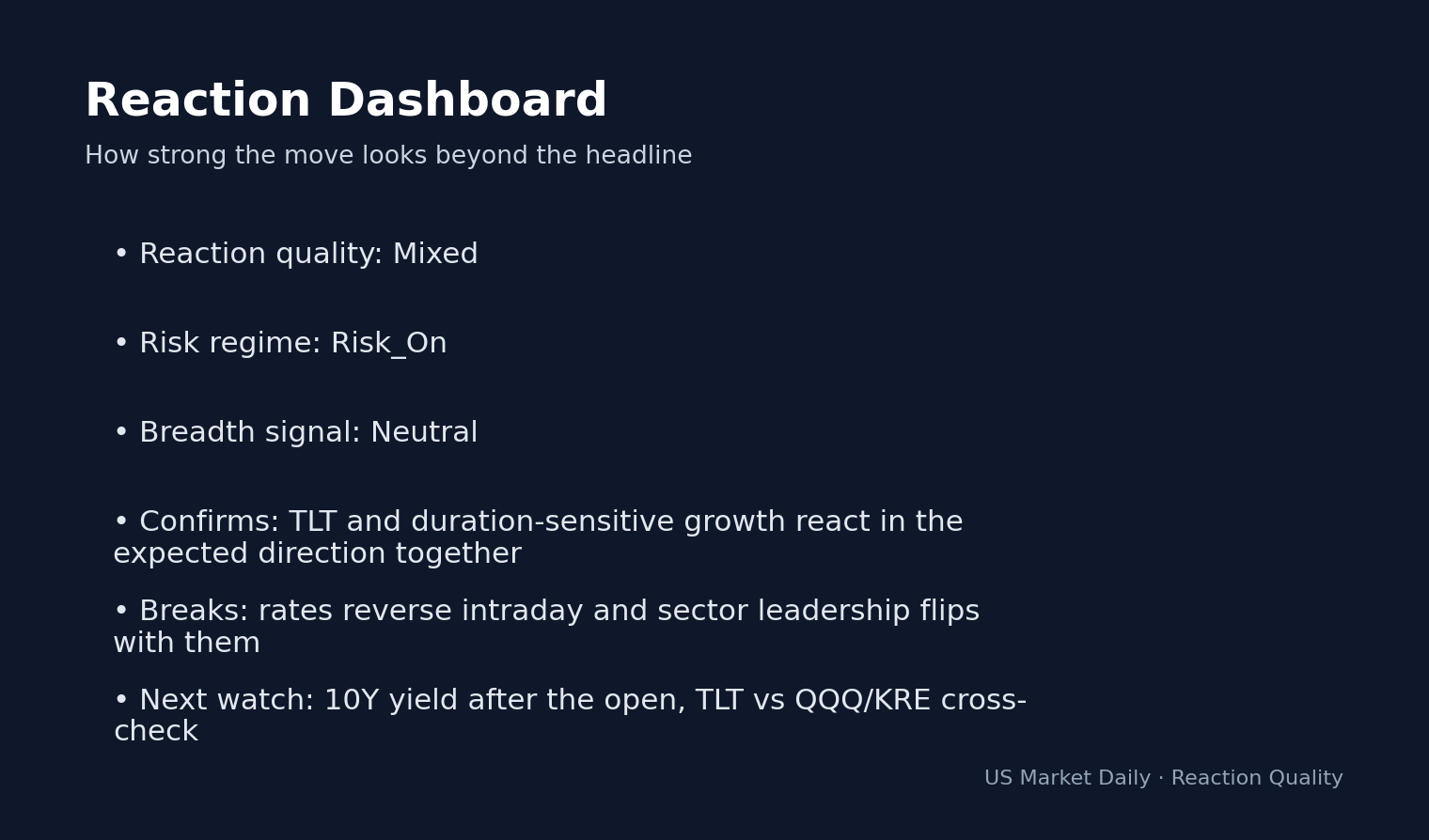
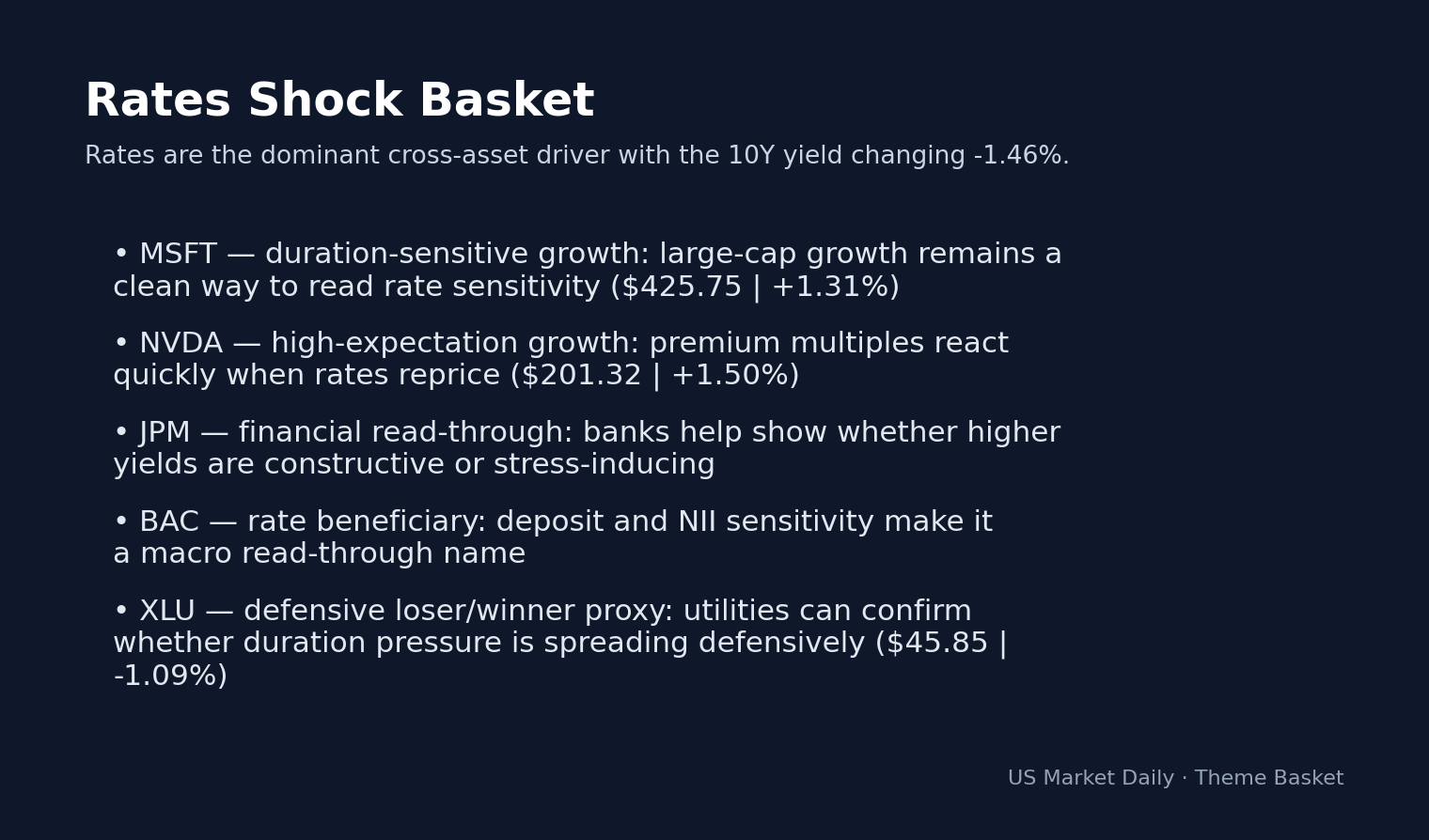
What stands out here is the persistent disconnect between single-stock earnings disappointments and the macro-level bid for equities. The Dow Jones Industrial Average added 1.29% to 49206.22, per FactSet data, showing that participants look past idiosyncratic volatility to focus on cyclical recovery. The 10-Year Treasury yield receding to 4.25%, a 1.46% drop, provides a tailwind for valuation multiples in the tech and industrial complex.
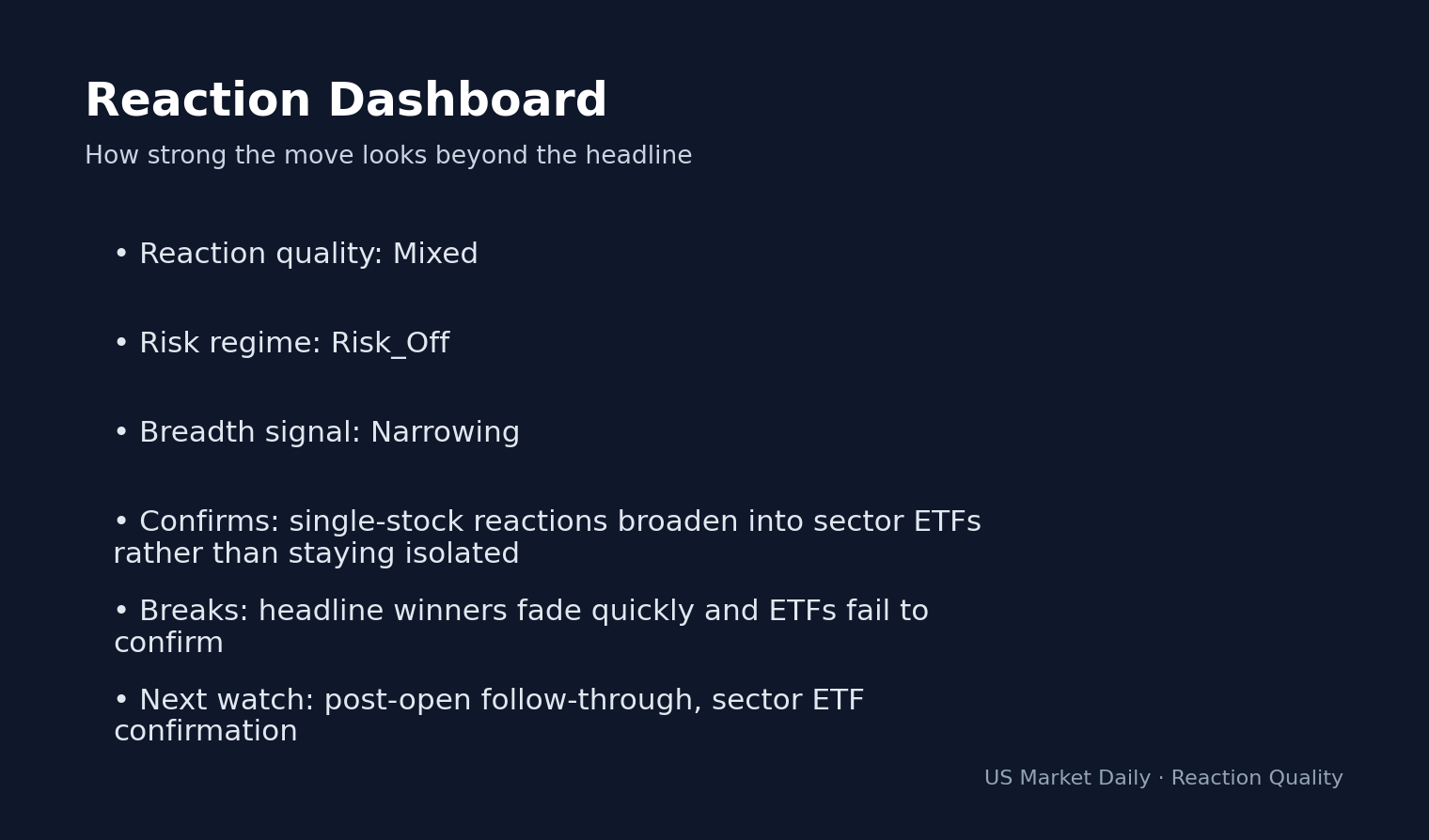
Worth noting: the VIX contracted 1.62% to 17.65, reflecting relative calm despite the high-profile earnings miss. This compression in volatility indicates that institutional desks do not view the NFLX sell-off as a systemic contagion, but rather as a contained fundamental adjustment. Liquidity conditions and low long-term yields remain the dominant variables governing price action.
NFLX Drops 10.05% as Earnings Results Trigger Institutional Re-pricing
Netflix (NFLX) plummeted 10.05% to $96.95 after delivering quarterly results that failed to meet sell-side expectations. According to SEC filings provided by the company, the disconnect between subscriber growth projections and reported figures triggered an immediate algorithmic sell-off at the opening bell. The magnitude of this drop represents one of the largest single-day declines in the communication services sector this quarter.
The primary concern for analysts, based on consensus estimates compiled by Finnhub, is whether this performance indicates wider saturation in the streaming industry. The buoyant S&P 500 indicates the market views this correction as an isolated issue. Investors are recalibrating positions in the stock; the technical breakdown below the 50-day moving average forces further technical pressure in the immediate term.
Sector Rotation: Industrials Rise 1.73% While Energy Faces 4.32% Headwinds
Market dynamics show a rotation, with Industrials gaining 1.73% and Consumer Discretionary up 2.17%, while the Energy sector faces a 4.32% decline, per market data. This divergence is driven by a pivot in commodity pricing and a reallocation of institutional capital away from energy-linked equities. The shift underscores a trend where cyclical growth exposure is prioritized over traditional energy hedges, signaling a shift in inflation expectations.
Relative strength in travel-related names, with UAL up 9.73% and RCL climbing 9.04%, indicates that consumer spending remains robust. Investors favor companies with high operating leverage that benefit from a stable rate environment. This trend is supported by the 0.53pp spread between 10Y and 2Y Treasuries, which shows the market is pricing in a more predictable long-term economic path.
The bull case for the S&P 500 rests on the index maintaining its position above the 7000 threshold. If the current buying momentum persists, supported by the decline in yields to 4.25%, the index tests the 7150 level, where technical resistance has historically formed. A sustained breakout above this point represents a structural shift, driven by a rotation from cash into under-allocated large-cap equities.
Conversely, the bear case triggers if the S&P 500 fails to hold 7050. Should this level be breached, it sparks a cascade of technical liquidations, particularly given the current RSI of 95.87. In such a scenario, the index retraces to the 6800 level, allowing for a consolidation of recent gains. The speed of the reversal in NFLX serves as a reminder that liquidity evaporates quickly if institutional sentiment shifts abruptly.
FOMC and Key Levels
- Watch whether the S&P 500 sustains its breakout above the 7100 support level on elevated volume to confirm a trend shift.
- Key level: 7050 for the S&P 500; a break below this mark invalidates the current bullish outlook and triggers a move toward the 6800 support zone.
- If 10Y Treasury yields move back toward 4.5%, then expect downward pressure on tech-heavy indices like the Nasdaq.
- Trigger: Upcoming FOMC meeting minutes scheduled for later this month, which will provide clarity on the central bank’s reaction to current inflation data.
Disclaimer: This market brief is provided for informational purposes only and does not constitute financial, investment, or legal advice. All market data is based on information available as of 09:54 AM ET on April 17, 2026. Trading financial instruments involves significant risk; past performance is not indicative of future results. Please consult with a qualified financial advisor before making any investment decisions.
Frequently Asked Questions
Why is the market moving right now?
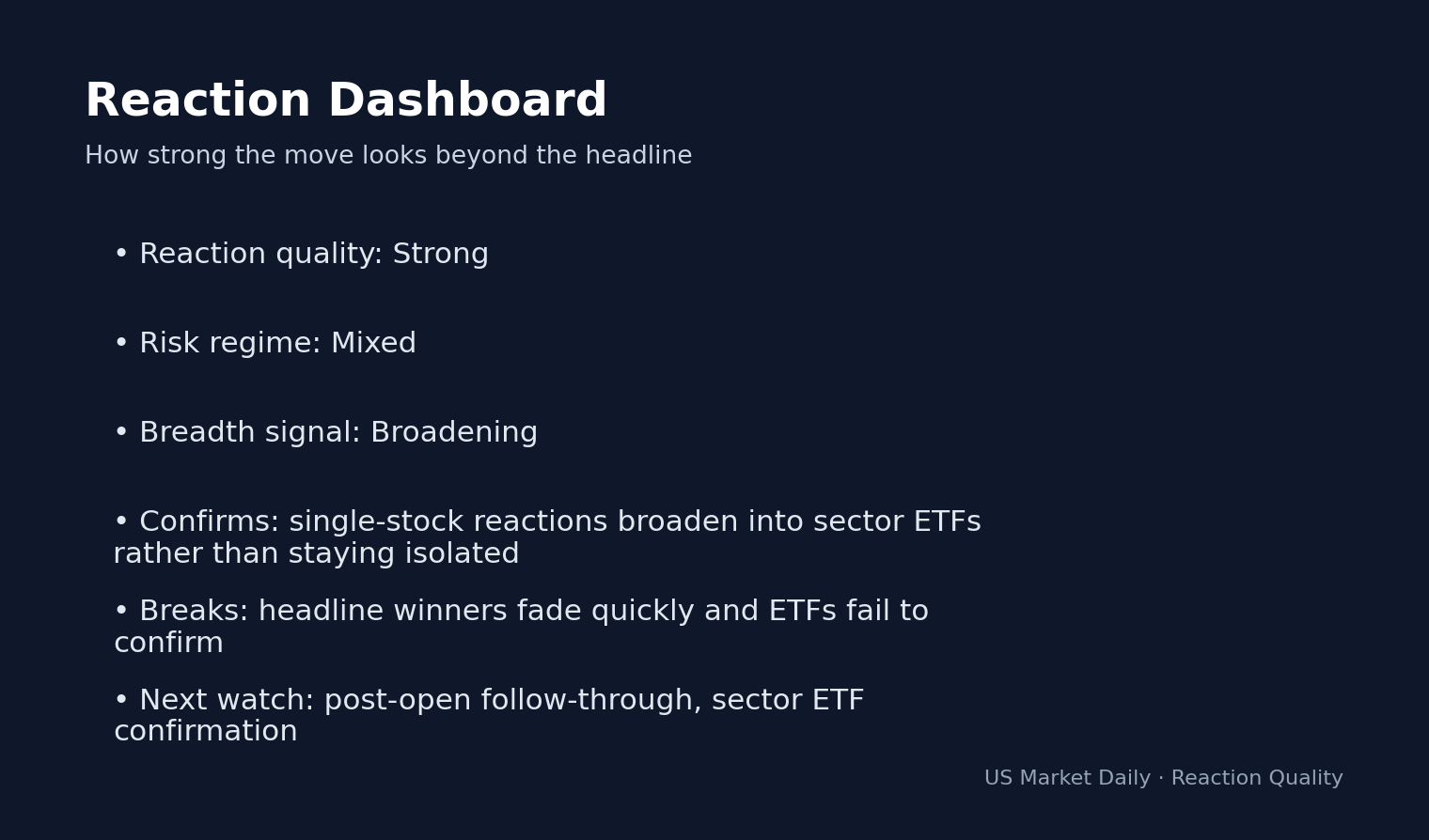
The market is rallying with the S&P 500 up 0.85% as investors focus on cyclical recovery and lower Treasury yields of 4.25%, effectively ignoring a 10.05% drop in Netflix shares. This behavior suggests a resilient risk-on environment driven by broad sector rotation into industrials and consumer discretionary stocks.
What should investors watch next?
Investors should closely monitor the 7050 support level for the S&P 500, as breaching this could signal a technical correction. Additionally, keep an eye on 10Y Treasury yield movements, as any reversal toward 4.5% could place renewed valuation pressure on the tech sector.
Why did Netflix (NFLX) stock drop so significantly today?
Netflix shares fell 10.05% following a quarterly report that showed results missing consensus estimates and provided disappointing guidance, according to company filings. The market reaction indicates an institutional re-pricing of the stock in light of concerns regarding streaming industry saturation.
Data sources: Yahoo Finance · SEC EDGAR
This analysis is provided for educational and informational purposes only. It is not investment advice. Consult a qualified financial advisor before acting on any information presented here.