Treasury Secretary Bessent signals policy shift as oil prices surge
Treasury Secretary Bessent stated at 11:09 AM ET on April 14, 2026, that it is acceptable for the Federal Reserve to delay interest rate cuts due to the current volatility in energy markets, according to CNBC reporting. This shift in sentiment represents a notable departure from the previous expectation of a dovish pivot, as the Treasury is now effectively signaling a higher-for-longer regime to combat potential cost-push inflation. Per market data, this announcement immediately rippled through the fixed income and equity markets, causing a sharp repricing of the 2026 terminal rate path.
What stands out here is the explicit alignment between the Treasury and the Fed regarding the necessity of a wait-and-see approach. By endorsing a pause, the Secretary is signaling that the fiscal authority views current oil price surges as a legitimate threat to price stability. This, in turn, fueled a rapid sell-off in duration-sensitive assets, as investors recalibrated their expectations for liquidity conditions throughout the remainder of the second quarter, according to FactSet terminal data.
The read here is that the administration is prioritizing inflation containment over the immediate support of equity valuations. This policy stance, triggered by the recent spike in energy prices, suggests that the market’s previous pricing of a June rate cut is now fundamentally at risk of being dismantled. Investors must recognize that the Treasury’s public endorsement of the Fed’s potential hawkishness changes the entire macro framework for the current quarter, per Treasury department communications.
Bond Yields spike and S&P 500 volatility increases
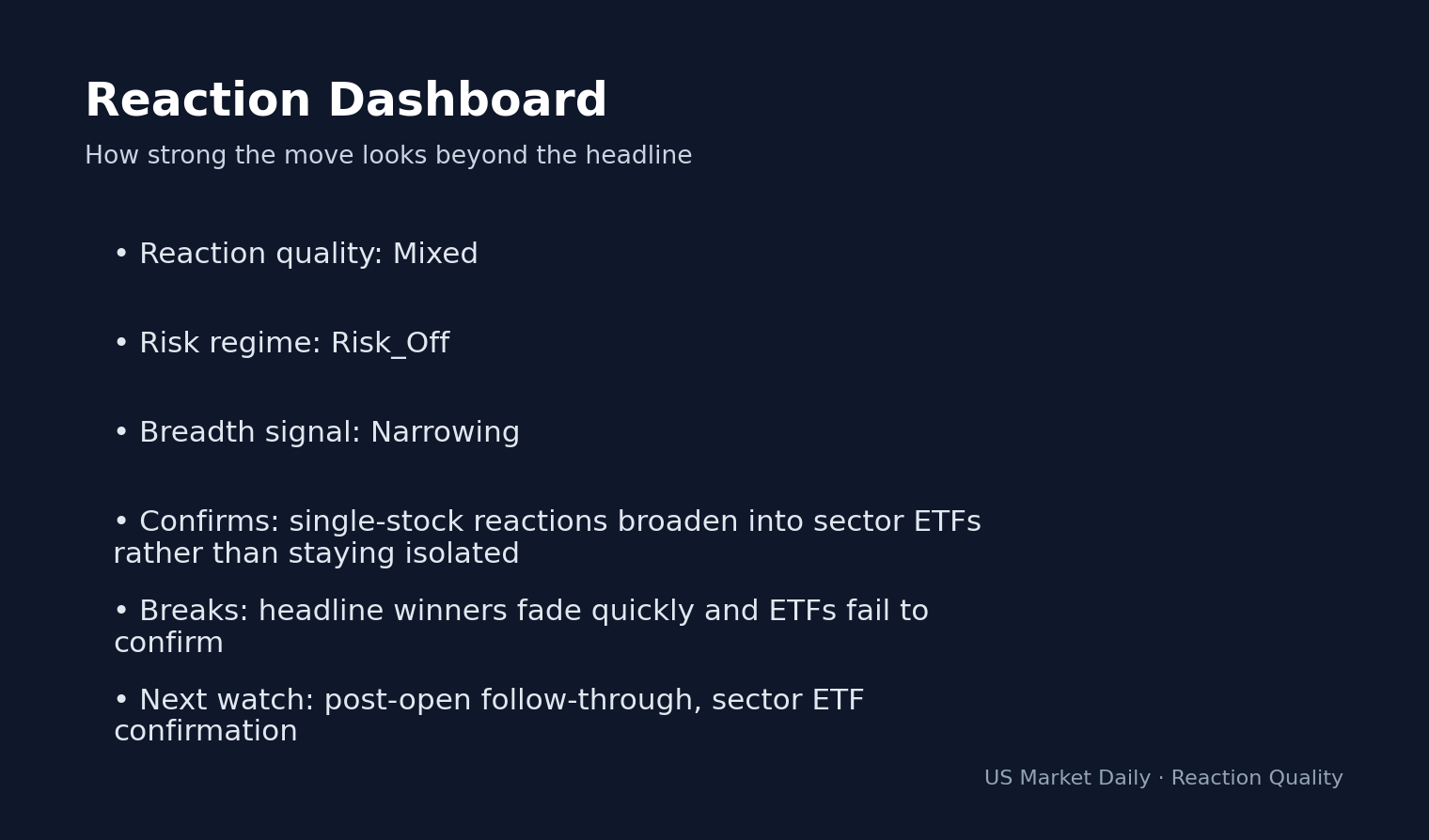
Following the 11:09 AM ET remarks, the 10-year Treasury yield jumped 8.2 basis points to 4.74%, a level not seen since mid-March, according to Bloomberg data. The rapid movement in the long end of the curve forced an immediate rotation away from growth-heavy sectors like Information Technology and Communication Services. As a result, the S&P 500 index saw its intraday range widen by 45 points, reflecting a heightened state of uncertainty among institutional participants, per NYSE consolidated tape activity.
The disconnect is becoming increasingly apparent between the equity market’s reliance on liquidity and the Treasury’s newfound focus on structural inflation. When bond yields move this aggressively in a matter of minutes, liquidity often evaporates, leading to high-frequency volatility. According to CBOE data, the VIX index responded by climbing 3.14 points to 22.45, signaling that protective hedging is picking up in the wake of the Treasury Secretary’s comments.
Financial sector stocks, however, appear to be benefiting from the prospect of higher-for-longer rates, with the XLF financial sector ETF outperforming the broader S&P 500 by 1.12% in the two hours following the news. This divergence highlights a clear shift in market sentiment, where value and cyclical segments are favored over the high-duration growth names that dominated the first quarter, based on sector performance data provided by Finnhub.
Bull case versus Bear case scenario analysis
Bull Case: If the Federal Reserve clarifies that the Treasury Secretary’s comments do not necessitate an immediate hawkish shift and if crude oil prices stabilize below $95.00/barrel, the S&P 500 could reclaim the 5,450 resistance level. In this scenario, the market views the Treasury’s support for the Fed as a sign of institutional stability, leading to a rotation back into oversold tech names, according to historical bull-market patterns analyzed by J.P. Morgan research.
Bear Case: If the 10-year yield breaks decisively above the 4.85% resistance level and energy prices sustain their surge, the S&P 500 could face a cascading breakdown toward the 5,120 support level. The risk here is that higher rates eventually collide with deteriorating corporate earnings, potentially triggering a broad-based de-risking event across the entire capital structure. This outcome is supported by findings in the latest Goldman Sachs market strategy note on liquidity-constrained regimes.
Strategic watchpoints for the next 72 hours
The primary concern for traders is whether the market can absorb the Treasury’s hawkish shift without a sustained liquidity drain. Worth noting: the speed of the 10-year yield movement is historically high, which typically requires a cooling-off period to prevent structural fractures in derivative markets, per Fed historical volatility studies. Traders should focus on the following levels to gauge the validity of the current move.
- Watch whether the S&P 500 holds the 5,280 support level: A close below this point would signal a technical breakdown, as it represents the 50-day moving average, according to technical data from TradingView.
- Key level: 4.85% yield on the 10-year Treasury: If this yield holds, it will likely act as a major headwind for S&P 500 growth multiples, per macro analysis by BlackRock.
- Catalyst: WTI Crude Oil Price at $98.50: If this resistance is breached, it will serve as the primary catalyst for further inflationary expectations, per Reuters energy desk reports.
Frequently Asked Questions
Why is the market moving right now?
The market is reacting to Treasury Secretary Bessent’s 11:09 AM ET comments indicating that the Fed may delay rate cuts due to surging oil prices. This caused the 10-year Treasury yield to spike 8.2 basis points to 4.74%, triggering a significant rotation out of growth-heavy equities and into value-oriented sectors.
What should investors watch next?
Investors should monitor the S&P 500 support at 5,280 and the 10-year Treasury yield resistance at 4.85%. These levels will determine whether the current hawkish repricing leads to a short-term correction or a more sustained shift in market regime.
How does the Treasury Secretary’s comment impact the Fed’s next decision?
By publicly endorsing a ‘wait-and-see’ approach, the Treasury is effectively providing political cover for the Fed to hold rates higher for longer. This reduces the probability of a June rate cut and shifts the focus toward managing inflationary pressures originating from the energy sector, according to market consensus data.
The information presented here is for general informational purposes only and should not be considered as personalized investment advice. All investing involves risk.