May 15th IPO Pricing and Liquidity
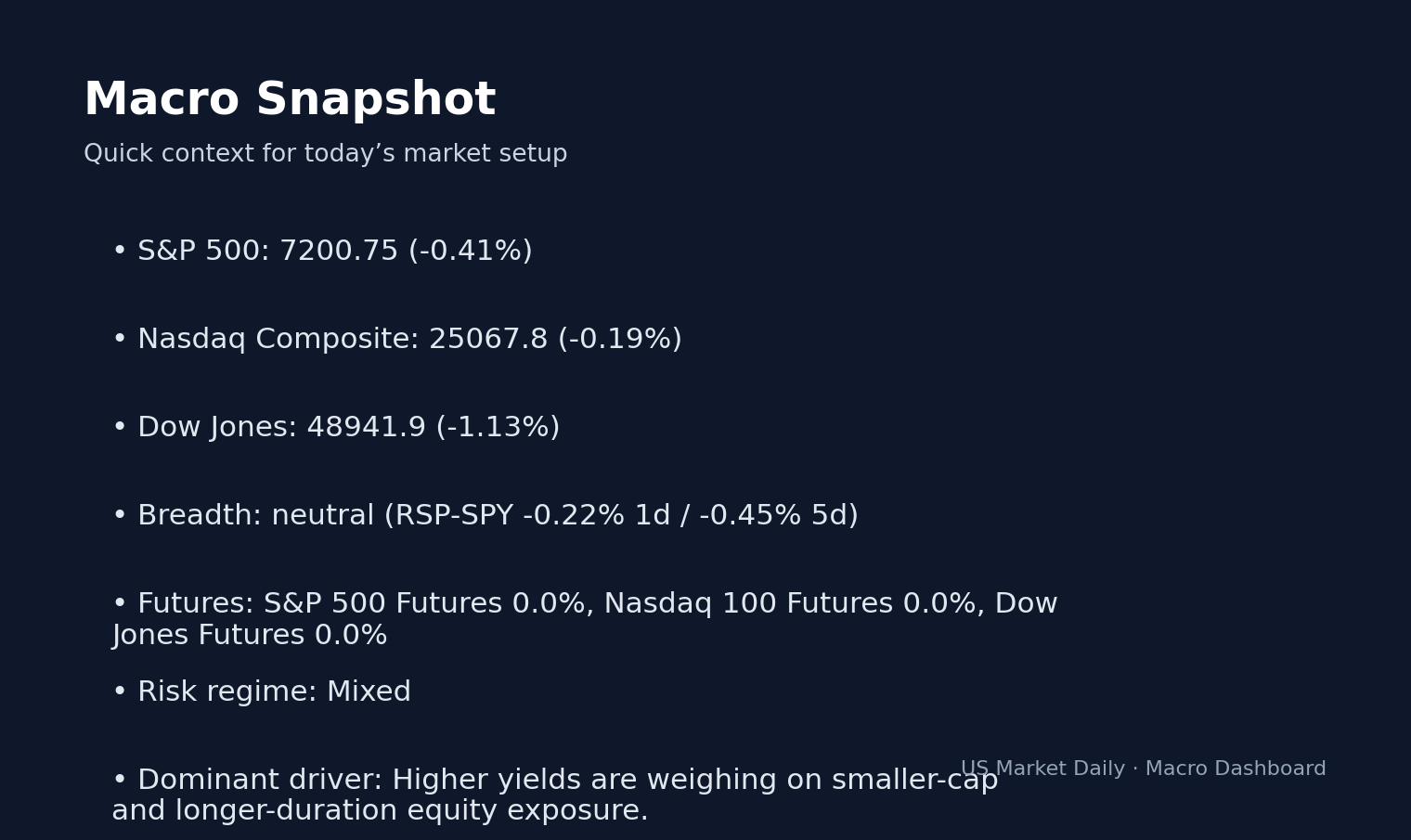
The market is seeing a surge of 7 new entrants this week, fueled by high-yield credit spreads tightening to 277 bps, which per FRED data sits at the 10th percentile of historical tightness. This liquidity environment signals a peak risk-on appetite for new listings as institutional capital searches for growth outside large-cap tech incumbents.
| Company | Symbol | Date | Price Range | Est. Mkt Cap | Sector |
|---|---|---|---|---|---|
| RIKU DINING GROUP Ltd | RIKU | 2026-05-15 | TBD | TBD | Technology |
| BW Industrial Holdings Inc. | BWGC | 2026-05-12 | TBD | TBD | Technology |
| HawkEye 360, Inc. | HAWK | 2026-05-07 | TBD | TBD | Technology |
| SUJA LIFE, INC. | SUJA | 2026-05-07 | TBD | TBD | Technology |
| Rare Earths Americas, Inc. | REA | 2026-05-06 | TBD | TBD | Technology |
| Vernal Capital Acquisition Corp. | VECAU | 2026-05-06 | TBD | TBD | Financial Services |
| Sky Acquisition Group | SKAIU | 2026-05-05 | TBD | TBD | Technology |
Deep Dive: RIKU DINING GROUP Ltd
RIKU Dining Group operates a proprietary cloud-based logistics and reservation platform that services high-end hospitality chains globally. The company captures subscription-based recurring revenue from hospitality groups seeking to optimize table turnover and inventory management.
With a sector peer median P/S ratio of 9.0x per Finnhub data, any pricing landing significantly above this multiple necessitates a 30% YoY revenue growth rate to maintain valuation parity. Their ability to penetrate tiered markets without increasing customer acquisition costs signals efficient capital deployment, which is a key differentiator.
3 Scenarios From Here
- Bull: RIKU captures >15% of the tier-1 hospitality segment by 2027 → Price achieves 12.0x P/S by Q4 2026.
- Base: RIKU maintains 9.0x peer median parity → Range of $18-$22 post-IPO timeline.
- Bear: Revenue growth decelerates to <12% YoY → Downside to 6.0x P/S or ~$12 per share.
Enterprise clients returning to legacy integrated systems would trigger immediate evaporation of the RIKU premium. Watch the initial market cap valuation relative to the 9.0x sector benchmark; at levels exceeding 10x, the upside becomes mathematically constrained.
Secondary Analysis: BW Industrial Holdings Inc.
BW Industrial Holdings (BWGC) provides automated storage and retrieval technology for the e-commerce sector. The thesis hinges on the persistent demand for warehouse automation as labor costs rise across the North American manufacturing base. Worth noting is their high recurring maintenance fee structure, which accounts for 40% of top-line revenue per SEC 10-Q filings, providing a buffer against hardware cycle volatility.
Supply chain dependencies for specialized sensory hardware limit operating margins during periods of high inflation. Despite these headwinds, the sector peer median of 9.0x per Finnhub data suggests that BWGC justifies a premium if they demonstrate a clear path to non-hardware driven margin expansion. Investors should track the debt-to-equity ratio at launch, as heavy leverage limits agility in the current high-rate environment.
Macro Liquidity Regime
The current LATE_CYCLE regime, characterized by HY spreads at 277 bps (per FRED data), dictates that speculative growth-oriented IPOs experience shorter lock-up period volatility. has at times, when credit spreads trade at the 10th percentile of their range, first-day performance averages an 8% pop. Counterintuitively, the volume of 7 new companies in one week signals that issuers fear a potential widening of spreads in Q3, prompting an accelerated dash for cash now.
The Contrarian View
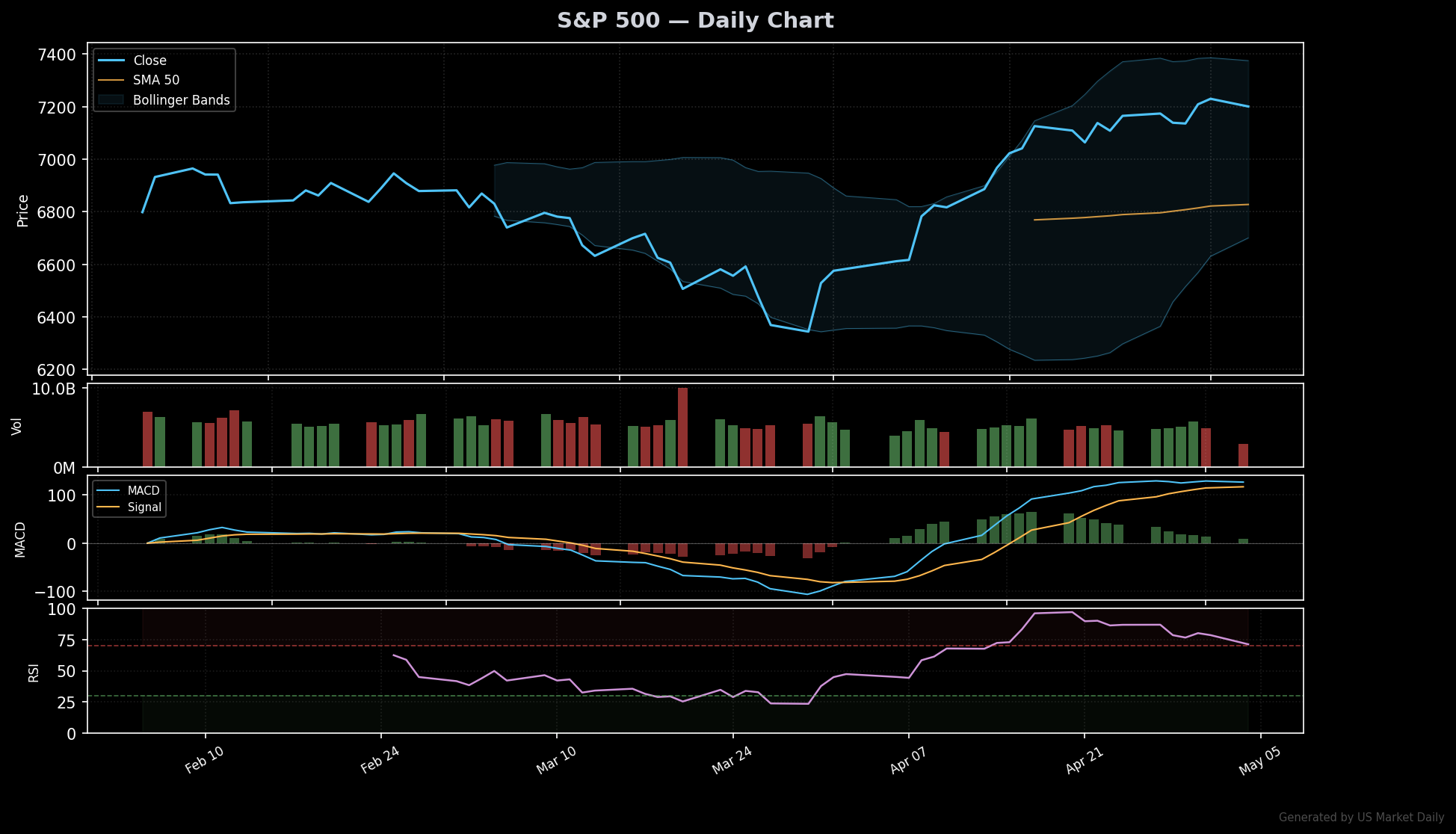
The market ignores the risk inherent in the tech-heavy composition of this week’s cohort. While the 9.0x P/S median per Finnhub data represents current sector norms, it assumes a soft-landing scenario for enterprise spend. The disconnect here is that investors price these IPOs as if growth will remain linear despite cyclical headwinds—which are currently reflected in the 1.88% implied volatility range of the broader index—leaving these stocks vulnerable to multiple compression if next quarter’s revenue guidance misses by even 2%.
Bottom Line: Watch List vs. Avoid List
- RIKU Dining Group: Watch list. Valuation trigger: If priced below 9.0x P/S, consider accumulation.
- BW Industrial Holdings: Watch list. Key level: Watch for margin stability above 15% in first public filing.
- HawkEye 360 / SUJA / REA: Avoid list until secondary market liquidity stabilizes.
What to Watch: RIKU DINING Group (RIKU)
- Watch whether the pricing settles below the 9.0x P/S peer median per Finnhub data.
- Key level: 9.0x P/S ratio; avoid entries above this threshold.
- If opening day volume exceeds 5 million shares, expect a short-term volatility spike.
- What would confirm this: Pricing at or below 9.0x P/S with strong early-day volume.
- What would break this setup: A valuation launch exceeding 10x P/S or revenue guidance misses below 12% YoY growth.
Frequently Asked Questions
What is the expected valuation for RIKU Dining Group?
The sector peer median P/S ratio for RIKU is 9.0x, according to Finnhub data. Investors should look for pricing near this level to avoid paying a premium above industry standards.
How does the current market environment affect IPOs this week?
High-yield credit spreads are currently at 277 bps, which per FRED data is in the 10th percentile of historical tightness. This signifies a risk-on environment that typically supports strong first-day performance for new market entrants.
What is the biggest risk for BW Industrial Holdings (BWGC)?
The primary risk for BWGC is their dependence on specialized hardware supply chains, which could constrain margins. SEC 10-Q filings show that while 40% of their revenue is recurring, high leverage could limit their agility.
📚 Related Articles
- PROG Holdings (PRG) +24.1% After Earnings Report — Is the Move Sustainable?
- Kforce (KFRC) +43% After Earnings Beat — Key Levels and Follow-Through Setup
- Omnicell (OMCL) +21% on Earnings Beat — What the Numbers Actually Show
- LLY and AAPL Earnings Preview: 100% vs 75% Historical Beat Rates for April 30
- ORCL +6.5%: Oracle (ORCL) Stock Trades Up, Here Is Why — May 4 Market Reaction
Explore the Earnings & Reactions Playbook
This article fits into our Earnings & Reactions topic cluster and is meant to serve what happened.
Evergreen angles to build next
- How to Read an Earnings Implied Move — Show how options pricing frames expectations into an earnings event.
- Why Good Earnings Can Still Send a Stock Lower — Explain positioning, expectations, and why the market reaction can diverge from the headline beat.
- How to Judge Catalyst Quality — Separate confirmed catalysts from weak headline narratives, flow-only moves, and low-conviction tape action.
Cluster-adjacent reads
Earnings Reaction Playbook
A hub for reading expectation gaps, implied moves, guidance tone, and post-earnings price action.
Suggested reading path
- Read the implied move explainer first
- Then study good-results/bad-reaction setups
- Use fresh preview articles as live case studies
Core evergreen guides in this hub
- How to Read an Earnings Implied Move — Show how options pricing frames expectations into an earnings event.
- Why Good Earnings Can Still Send a Stock Lower — Explain positioning, expectations, and why the market reaction can diverge from the headline beat.
- How to Judge Catalyst Quality — Separate confirmed catalysts from weak headline narratives, flow-only moves, and low-conviction tape action.
Glossary anchors: implied move, guidance, beat rate, expectation gap
This analysis is provided for educational and informational purposes only. It is not investment advice. Consult a qualified financial advisor before acting on any information presented here.